Introduction
Packaging is more than just a container. It protects your products, strengthens your brand, and shapes your customer’s first impression. Choosing the right box saves money, ensures product safety, and creates a memorable experience. In this guide, we’ll explore the main types of boxes, their uses, and which businesses benefit most from each type.
1. Folding Cartons: Lightweight and Brand-Friendly
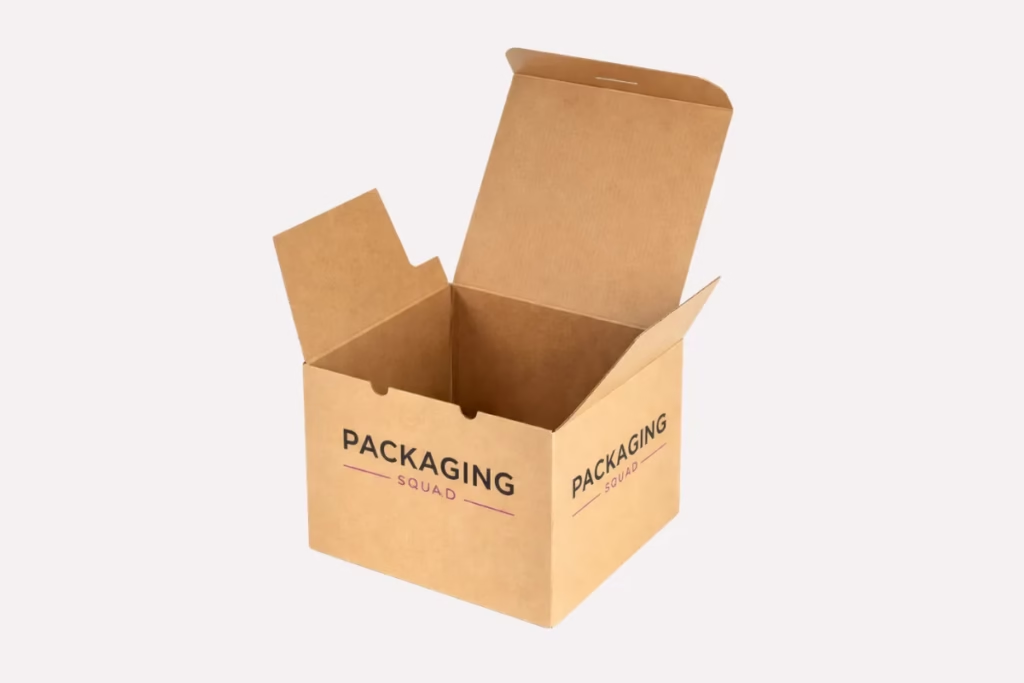
Folding cartons are thin, lightweight boxes made from paperboard. They are easy to fold, cost-effective, and excellent for retail display. These boxes are ideal for products that don’t need heavy protection but benefit from attractive branding and a professional appearance.
Best For: Cosmetics, food items, small electronics, medicines
Benefits:
- Affordable and lightweight
- Easy to print with logos and designs
- Saves storage space as they ship flat
- Recyclable and eco-friendly
Popular Folding Carton Styles
Straight Tuck End (STB)
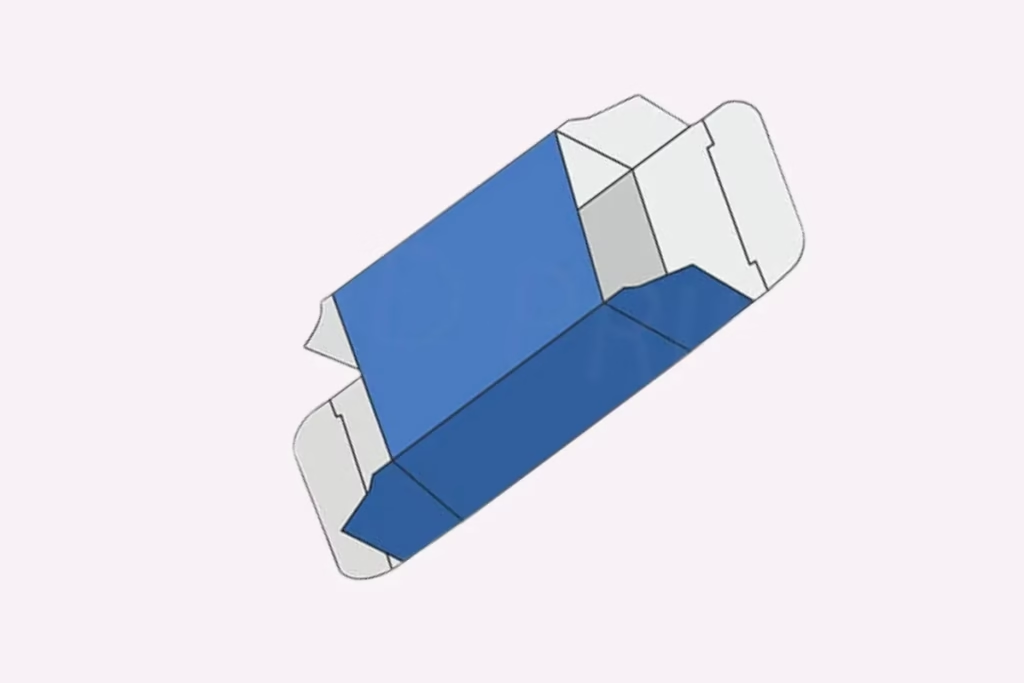
Straight Tuck End boxes have top and bottom flaps that tuck in from the same side. This creates a clean, seamless front appearance, making the product look neat and professional on shelves.
Why it’s useful:
- Perfect for products that need shelf appeal
- Easy to assemble and fill
- Ideal for light retail items
Best For: Cosmetics, perfumes, small retail products
Reverse Tuck End (RTE)

Reverse Tuck End boxes have flaps that fold in opposite directions, saving material and simplifying assembly. This style is economical while still keeping the product secure.
Why it’s useful:
- Reduces material waste
- Provides easy access for packing
- Suitable for small, lightweight products
Best For: Pharmaceuticals, small consumer goods, budget-friendly packaging
Auto Lock Bottom (ALB)
Auto Lock Bottom boxes have a pre-glued bottom that locks automatically when opened. This creates a strong base, supporting heavier items without extra effort.
Why it’s useful:
- Saves assembly time
- Provides extra strength for heavier products
- Reduces risk of product damage during shipping
Best For: Glass bottles, jars, heavier retail products
Snap Lock Bottom (SLB)
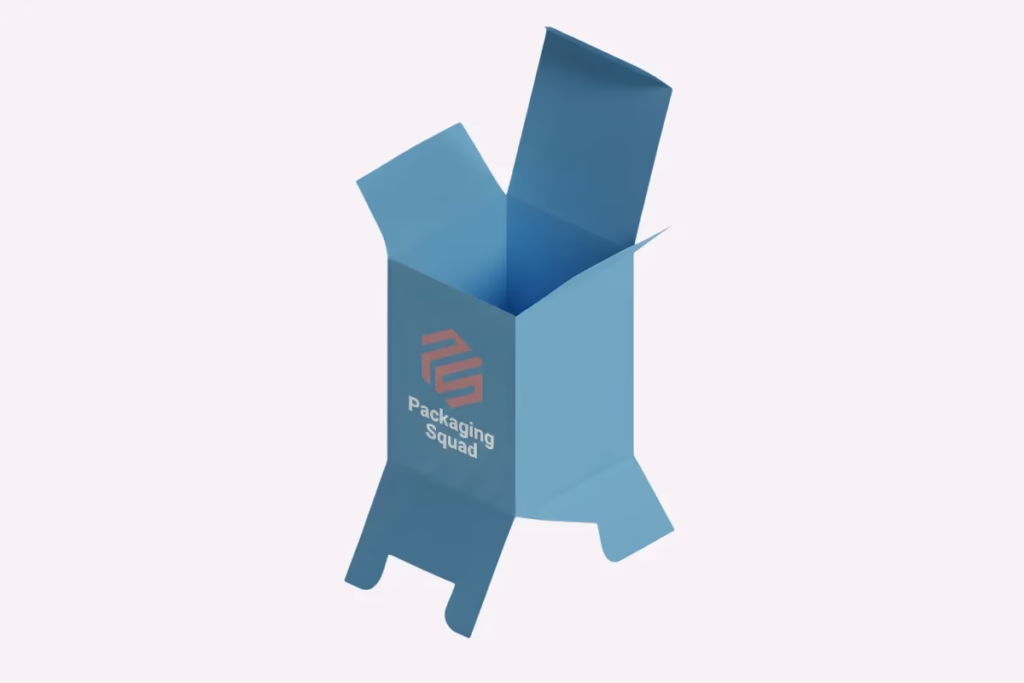
Snap Lock Bottom boxes feature interlocking flaps that fold and lock manually. They are stronger than regular tuck boxes and can hold medium-weight products securely.
Why it’s useful:
- Extra strength for heavier items
- Easy to close without tape
- Durable for products that are slightly heavier but not fragile
Best For: Candles, food containers, medium-weight household items
2. Rigid Boxes: Premium and Durable
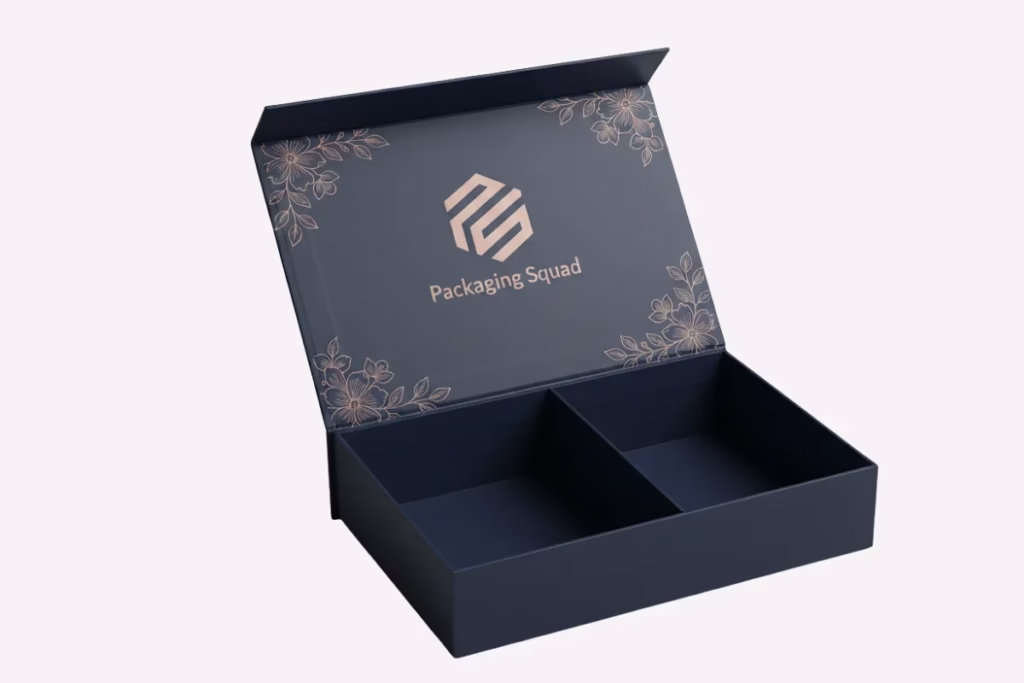
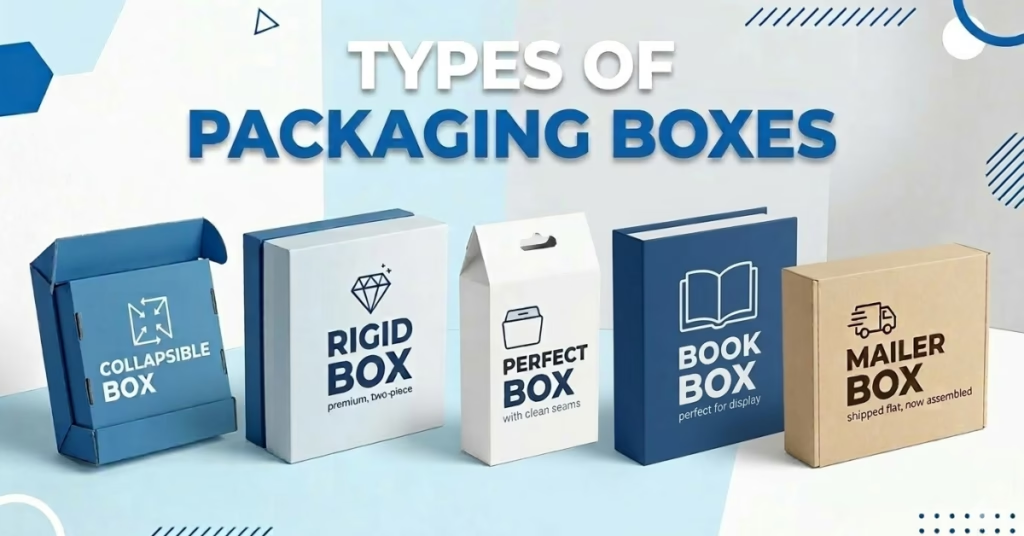
Rigid boxes are thick, strong boxes that do not collapse like folding cartons. They are designed to provide a premium feel, making products look high-end and valuable. These boxes are ideal for fragile, heavy, or luxury items that require extra protection and presentation.
Best For: Jewelry, electronics, perfumes, gifts
Benefits:
- Strong and durable
- Enhances perceived product value
- Perfect for heavy or fragile items
- Creates a memorable unboxing experience
Popular Rigid Box Styles
Magnetic Closure Boxes
Magnetic closure boxes use hidden magnets to keep the lid securely closed. This provides a sleek, modern look while ensuring the product stays safe inside.
Why it’s useful:
- Stylish and easy to open
- Protects delicate or high-value items
- Adds a luxury feel to your brand
Best For: Jewelry, small luxury gifts, high-end electronics
Two-Piece Lid & Base Boxes
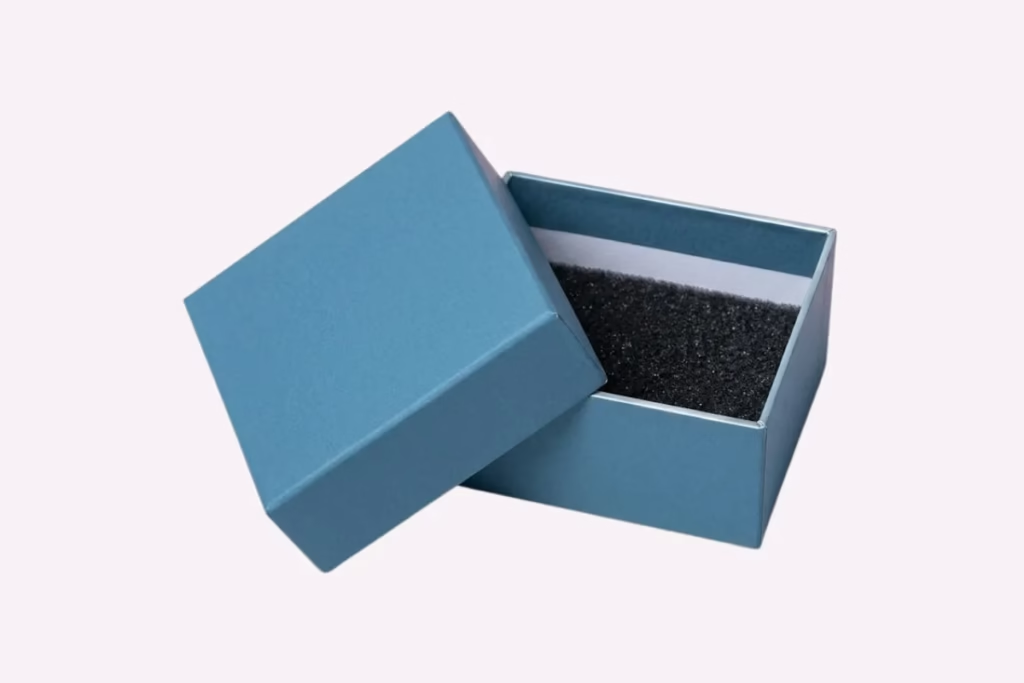
These boxes feature a separate lid and base, providing strong protection while maintaining a classic, premium look. They are simple to assemble and versatile.
Why it’s useful:
- Strong and secure
- Works for heavier products
- Perfect for gifting and presentation
Best For: Shoes, electronics, luxury products
Shoulder Neck Boxes
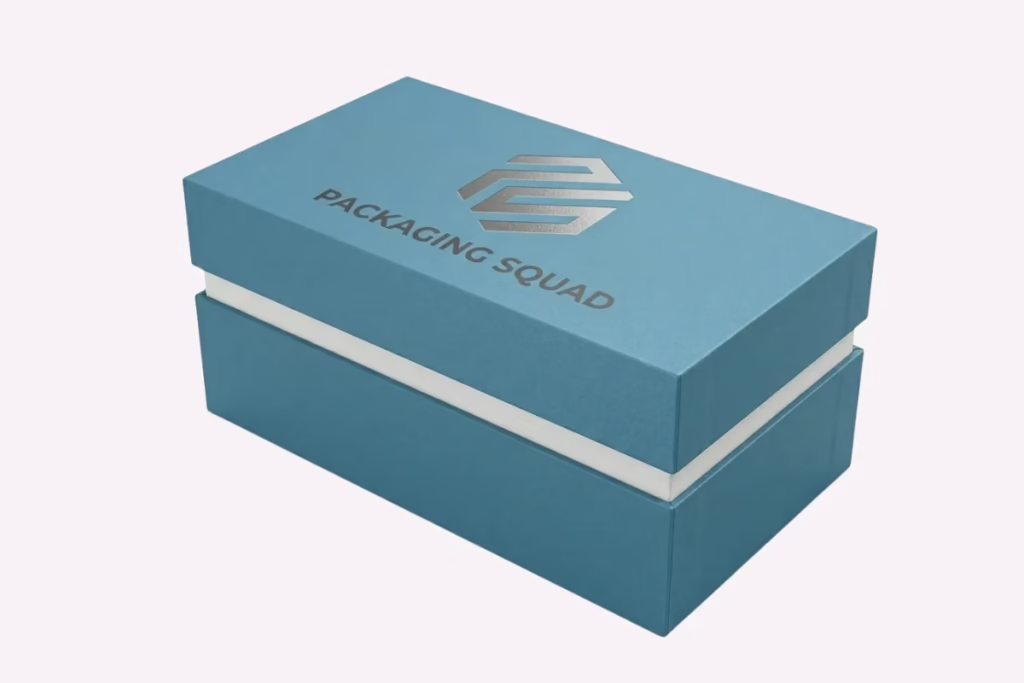
Shoulder-neck rigid boxes include an inner tray (neck) that connects the lid and base. This design provides extra strength and keeps fragile products secure.
Why it’s useful:
- Extra protection for delicate items
- Premium unboxing experience
- Keeps products in place during handling
Best For: Jewelry sets, fragile electronics, gift items
Drawer or Slide Boxes
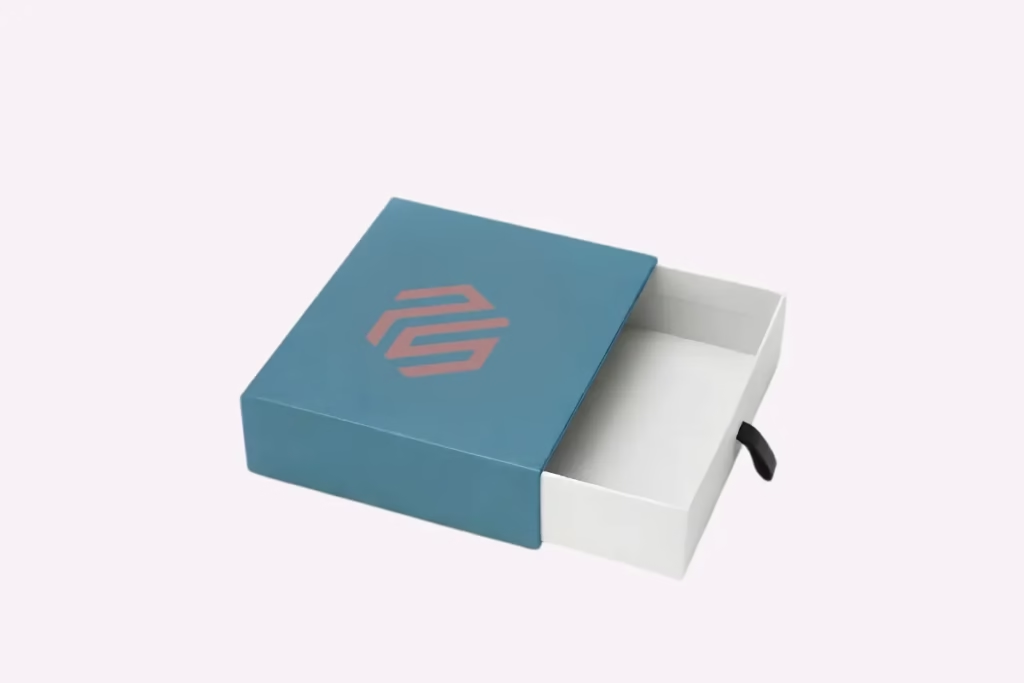
Drawer-style boxes open like a drawer, revealing the product inside. They offer both security and a premium experience that customers remember.
Why it’s useful:
- Creates a memorable unboxing moment
- Protects products while displaying them elegantly
- Smooth sliding design for user convenience
Best For: Luxury candles, gift kits, premium accessories
Book-Style Boxes
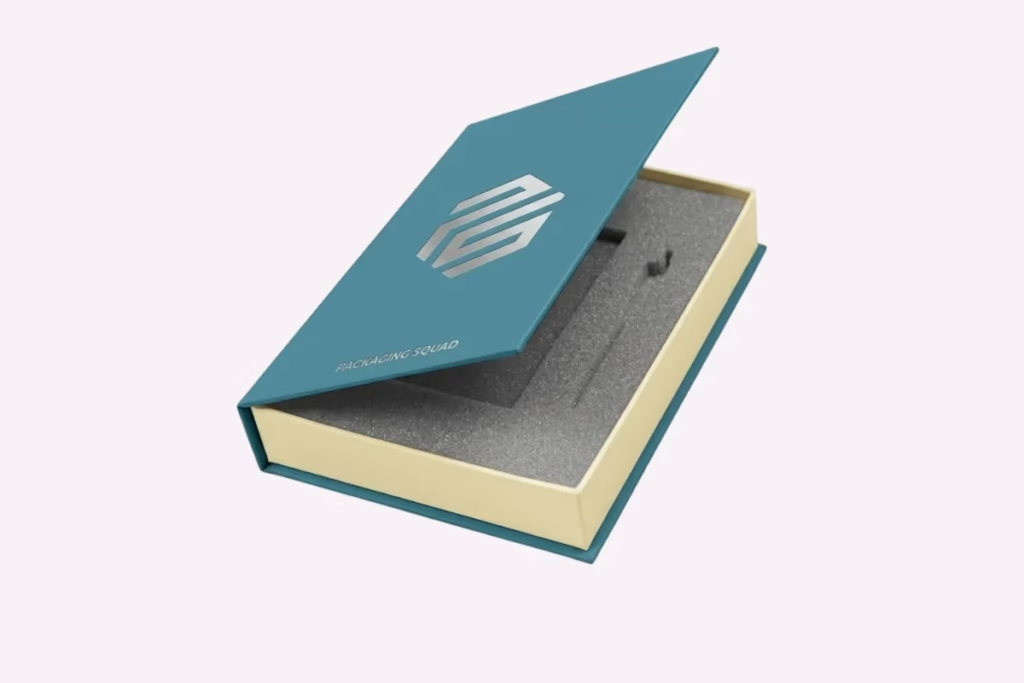
Book-style boxes open like a book with a hinged lid. This elegant design provides both protection and a premium presentation for products that need a unique look.
Why it’s useful:
- Stylish and premium appearance
- Easy to open and close
- Ideal for gifting or luxury items
Best For: High-end gifts, electronics, luxury packaging
Collapsible Rigid Boxes
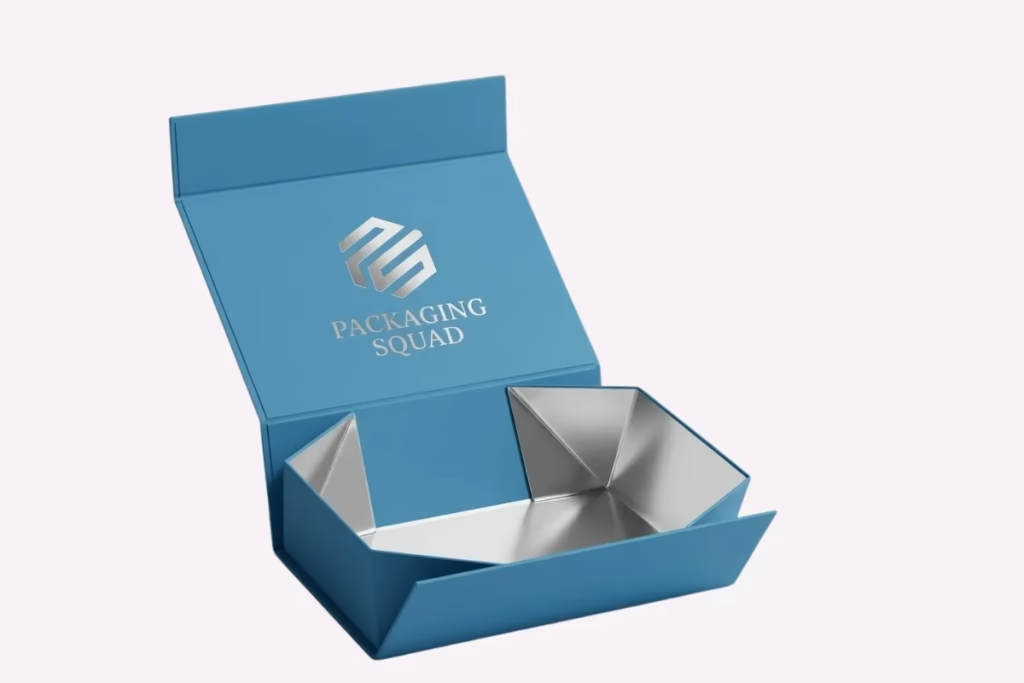
Collapsible rigid boxes can fold flat for storage or shipping but maintain strong protection when assembled. This style is practical for businesses that want premium packaging without using extra storage space.
Why it’s useful:
- Saves storage and shipping space
- Strong protection for heavy or fragile items
- Maintains premium presentation
Best For: Electronics, gifts, seasonal products
Great! Let’s continue with Corrugated Boxes, keeping the same clear, user-friendly style for your article.
3. Corrugated Boxes: Strong and Protective
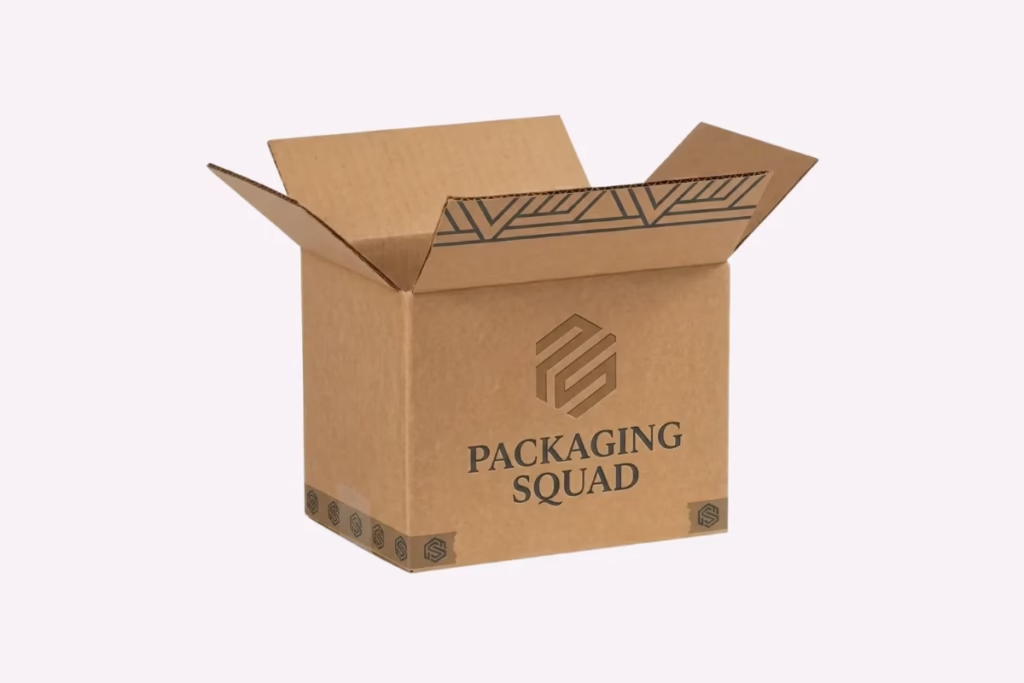
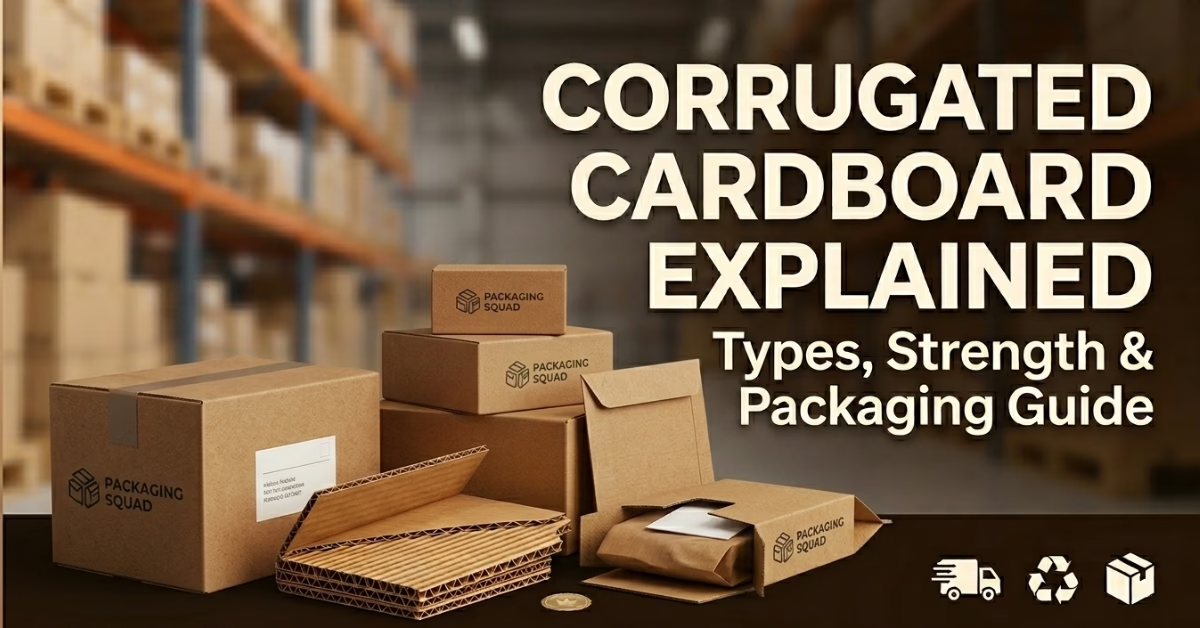
Corrugated boxes are built for strength and durability. They feature a fluted layer between two smooth layers of cardboard, which absorbs shocks and protects products during shipping and handling. These boxes are ideal for heavy, fragile, or bulk items and are widely used in e-commerce, shipping, and storage.
Best For: Shipping, fragile items, heavy products, moving and storage
Benefits:
- Extremely durable and protective
- Handles heavy and fragile products
- Affordable and widely available
- Can be customized with branding and sizes
Popular Corrugated Box Styles
Regular Slotted Container (RSC)
RSC boxes are the most common type of corrugated shipping box. The flaps meet in the center, making them versatile and easy to assemble.
Why it’s useful:
- Standard for general shipping and storage
- Easy to pack and stack
- Protects everyday products
Best For: General shipping, warehouse storage, consumer goods
Half Slotted Container (HSC)
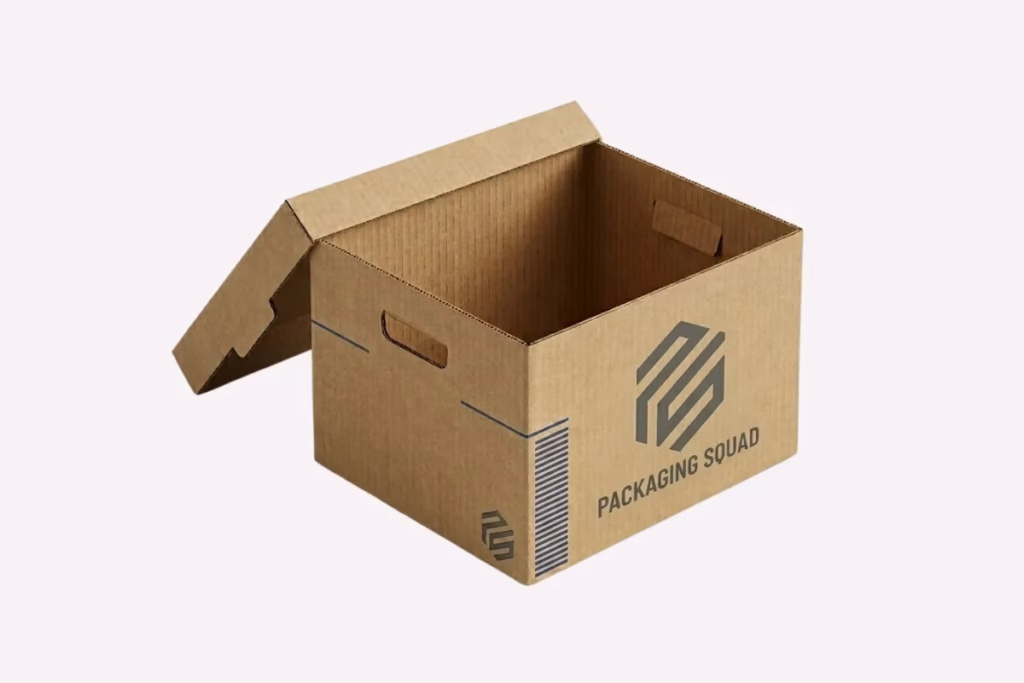
HSC boxes have flaps on only one side, often used with a separate lid. This design allows easy access from the top, making packing and unpacking simple.
Why it’s useful:
- Quick access to contents
- Ideal for storage or display needs
- Works well with medium-weight products
Best For: Storage boxes, easy-access products, medium-weight goods
Full Overlap Container (FOL)
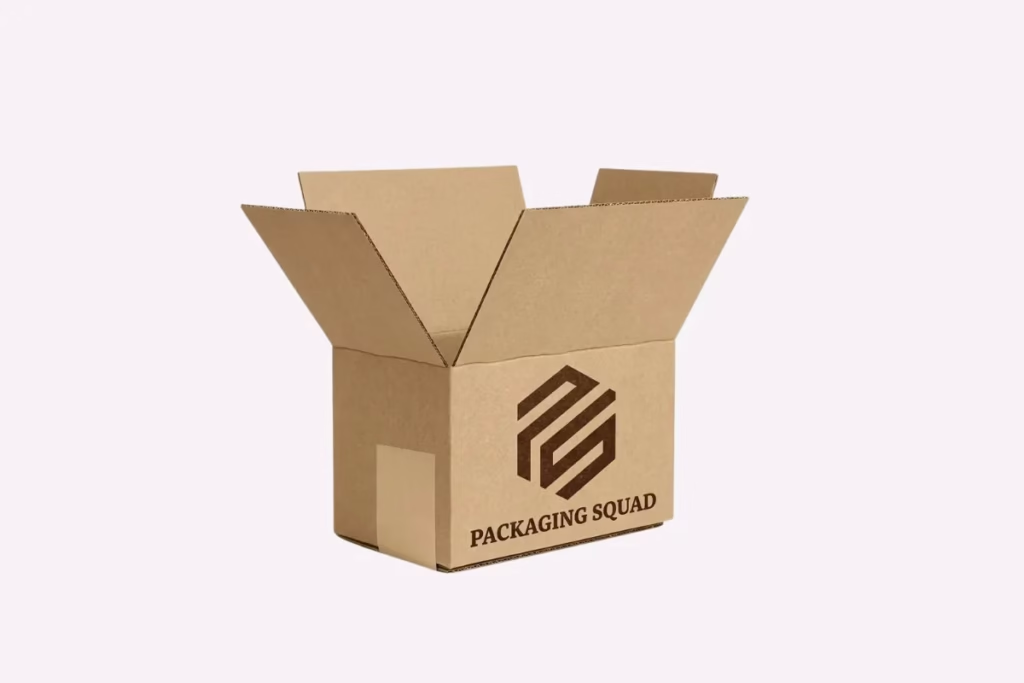
FOL boxes have flaps that fully overlap when closed. This makes them stronger than RSC boxes, providing extra protection for heavier or fragile items.
Why it’s useful:
- Extra strength for heavy or fragile items
- Protects during rough handling and shipping
- Reduces risk of damage
Best For: Glassware, electronics, heavy machinery
One-Piece Folder (OPF) / Book Fold
OPF boxes wrap around a product in a single piece, often used for flat items like books, documents, or framed prints.
Why it’s useful:
- Compact and protective design
- Ideal for flat or irregular items
- Reduces material waste and shipping space
Best For: Books, documents, framed prints
Double-Wall Corrugated Boxes
Double-wall boxes have two layers of fluted cardboard, offering extra strength. They are ideal for heavy items or products that need extra protection during shipping.
Why it’s useful:
- Strong and durable
- Protects against compression and shocks
- Suitable for industrial or fragile items
Best For: Electronics, industrial goods, fragile bulk items
Triple-Wall Corrugated Boxes
Triple-wall boxes are the strongest corrugated boxes available. Made with three layers of fluted cardboard, they can handle very heavy or bulky products.
Why it’s useful:
- Maximum protection for heavy and large items
- Ideal for industrial shipping
- Can handle rough handling during transport
Best For: Machinery parts, large appliances, heavy-duty shipping
Mailer Boxes
Mailer boxes are self-locking and do not require tape. They are popular in e-commerce for delivering products securely while offering a premium unboxing experience.
Why it’s useful:
- Stylish and secure packaging
- Ready-to-ship design
- Protects items without extra tape
Best For: Subscription boxes, small e-commerce orders, gift deliveries
Telescopic Boxes
Telescopic boxes consist of a base and a separate lid that slides over it. This design allows adjustable depth and extra protection for products.
Why it’s useful:
- Adjustable for different product sizes
- Provides extra cushioning
- Ideal for fragile or oversized items
Best For: Fragile items, oversized products, adjustable packaging needs
Corrugated boxes are your go-to solution when strength, protection, and durability matter most. They are highly versatile and widely used in shipping, storage, and e-commerce.
4. Custom Boxes: Personalized Packaging for Your Brand
Custom boxes let you create packaging that fits your product perfectly and reflects your brand identity. You can take any box type, folding carton, rigid box, or corrugated box—and customize the size, design, logo, or finish.
Personalized packaging improves customer experience, enhances brand perception, and ensures your products are protected during shipping.
Benefits:
- Perfectly fit your product, reducing wasted space
- Strengthen brand identity with logos and designs
- Enhance the unboxing experience for customers
- Protect products during storage and shipping
- Create a premium or unique look
Ways to Customize Your Boxes:
- Size and Shape: Adjust dimensions for a snug, secure fit
- Printing and Design: Add logos, brand colors, patterns, or images
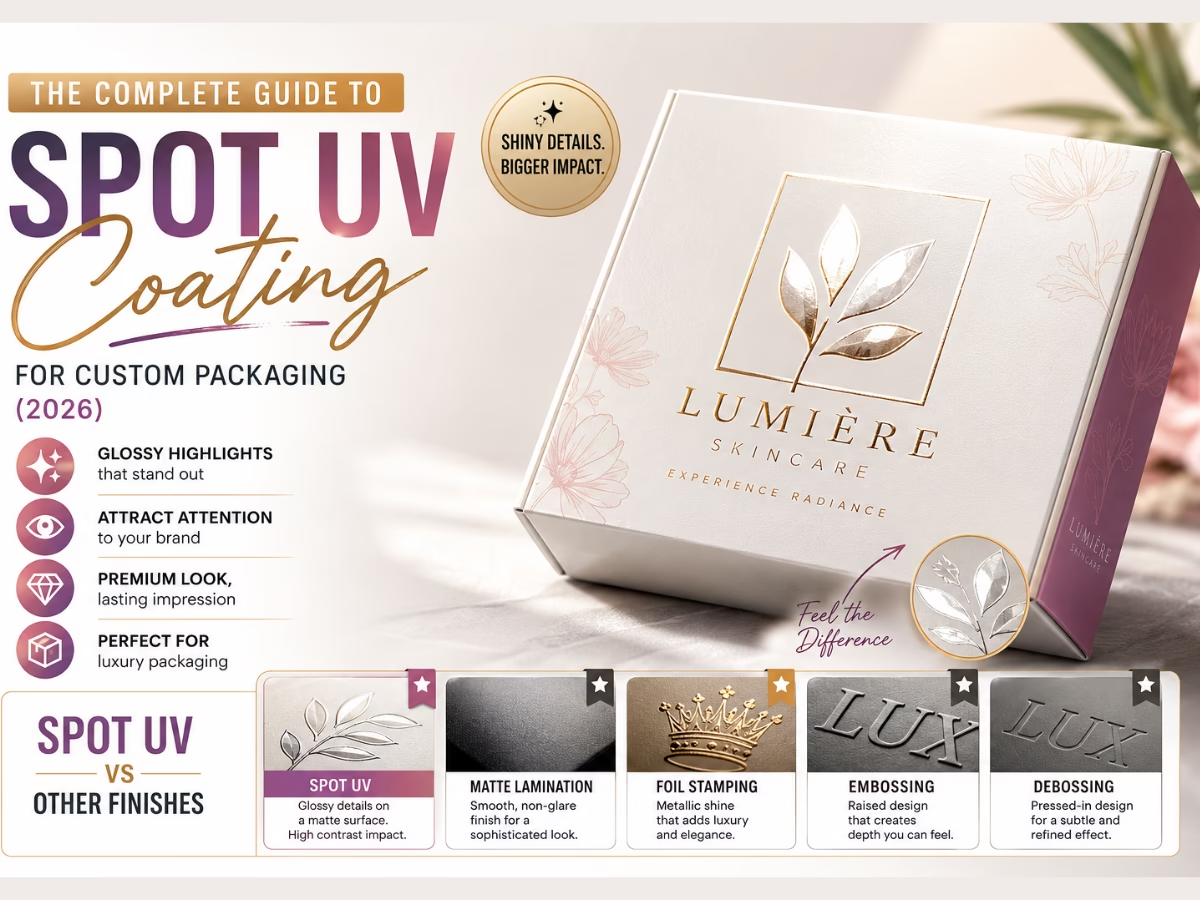
- Finishes: Matte, glossy, or soft-touch coatings
- Inserts: Trays, dividers, or foam for fragile items
- Windows or Cutouts: Showcase products while keeping them safe
Best For: E-commerce brands, subscription boxes, luxury products, food, cosmetics, electronics
Factors to Consider When Choosing a Box
Choosing the right box is more than style—it impacts safety, costs, and customer experience. Here are the key factors:
1. Product Size and Weight
- A box that is too small can damage your product. Too large an increase in shipping costs.
- Tips: Use inserts for fragile items, select stronger boxes for heavier products.
2. Branding and Presentation
- Your packaging represents your brand. An attractive design makes products feel premium.
- Tips: Match box style to brand image, use custom finishes, and consider shelf appeal.
3. Shipping Requirements and Costs
- Corrugated boxes are ideal for safe transport. Box size affects shipping charges.
- Tips: Lightweight but strong materials, double/triple-wall boxes for heavy items, easy-to-handle shapes.
4. Sustainability and Eco-Friendliness
- Eco-friendly packaging appeals to modern customers and protects the environment.
- Tips: Choose recyclable or biodegradable materials, minimize excess packaging, and highlight eco-friendly features.
Quick Comparison of Box Types
| Box Type | Strength | Cost | Best For | Branding Level |
| Folding Cartons | Light | Low | Small retail items, cosmetics, food | Medium |
| Rigid Boxes | Medium to High | High | Luxury products, gifts, electronics | High |
| Corrugated Boxes | Medium to Very High | Low to Medium | Shipping, fragile items, heavy products | Medium |
| Custom Boxes | Depends on base type | Varies | All products needing branding | High |
Conclusion
Choosing the right box is not just about packaging, it protects your products, strengthens your brand, and creates a memorable customer experience.
- Folding cartons are ideal for lightweight, retail-focused products.
- Rigid boxes provide premium presentation and protection for high-end items.
- Corrugated boxes are perfect for shipping and heavy-duty protection.
- Custom boxes let you personalize any packaging to fit your product and brand identity.
By considering product size, shipping requirements, branding, and eco-friendliness, you can select packaging that saves costs, improves presentation, and leaves a lasting impression.
Smart packaging is an investment in both your product and your brand.
Frequently Asked Questions (FAQs)
1. What are the main types of boxes used in packaging?
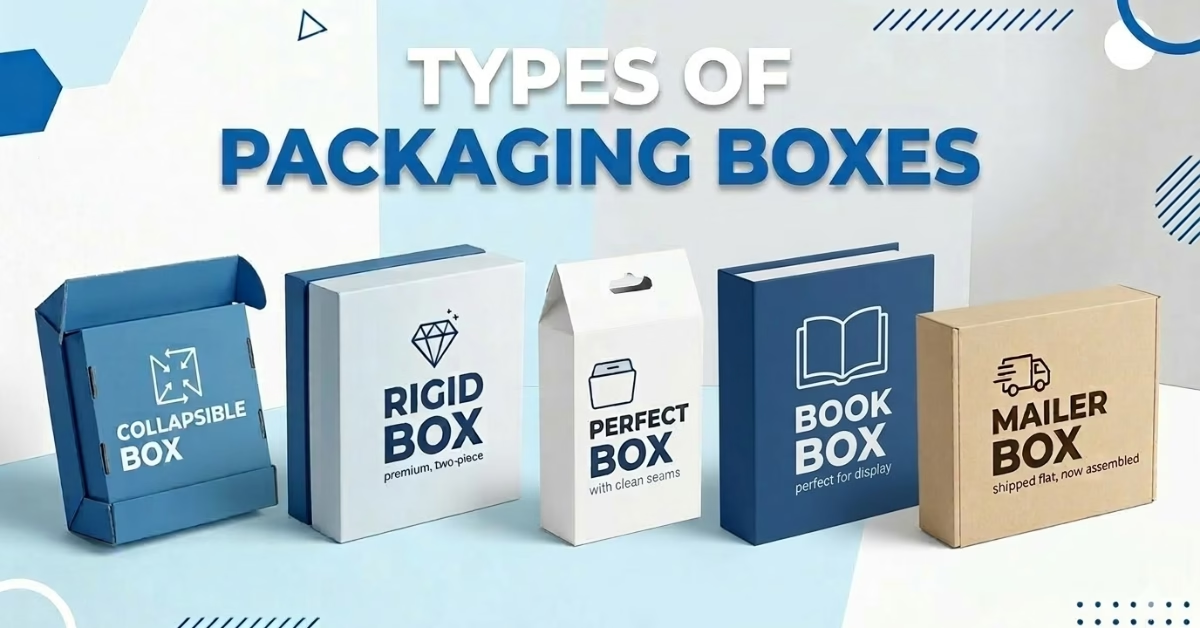
The main types are folding cartons, rigid boxes, and corrugated boxes. Each serves a different purpose: retail display, premium presentation, or shipping protection.
2. How do I choose the right box for my product?
Consider your product’s size, weight, fragility, shipping method, branding, and budget.
3. What is the difference between rigid boxes and folding cartons?
Rigid boxes are thick, non-collapsible, and feel premium. Folding cartons are lightweight, affordable, and ideal for small retail products.
4. Are corrugated boxes eco-friendly?
Most corrugated boxes are recyclable. Choosing recyclable or biodegradable materials improves sustainability while protecting products.
5. Can I customize any type of box?
Yes. You can customize folding cartons, rigid boxes, and corrugated boxes with size, design, logos, inserts, and finishes.
6. Which box type is best for e-commerce shipping?
Corrugated boxes and mailer boxes are ideal because they are strong, protective, and easy to handle during transport.
7. How does packaging affect customer experience?
Packaging shapes the first impression of your product. Attractive and secure packaging increases perceived value, encourages repeat purchases, and creates a memorable unboxing experience.