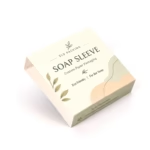
Description
Why Do Soap Bars Need a Custom Sleeve?
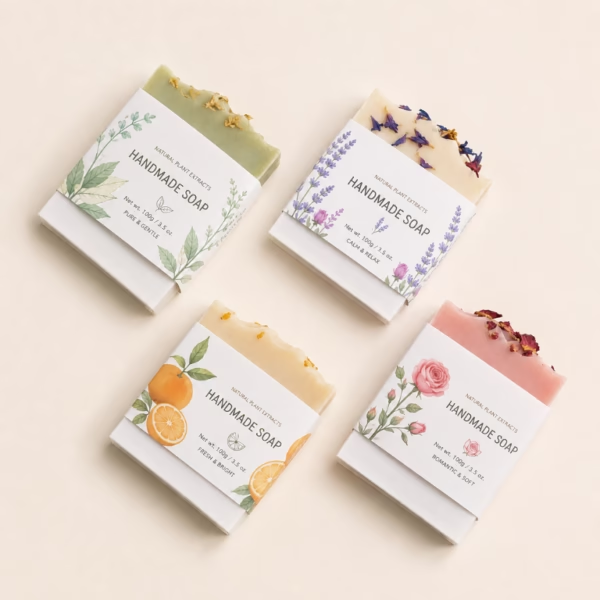
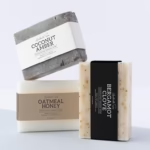
Bar soap is usually sold with minimal packaging, often just a paper band or a plastic wrap, and both of those can slide, tear, or peel off during handling.
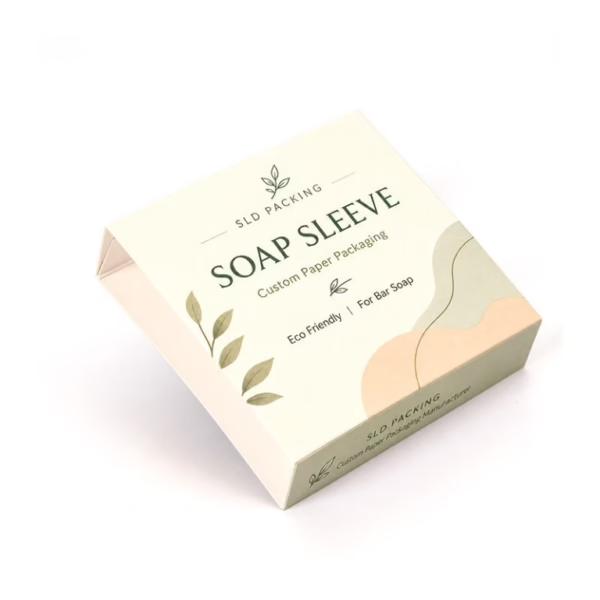
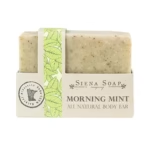
A loose label doesn’t stay put once a bar starts moving in a shipping box or a shopper’s tote bag. A sleeve wraps fully around the bar’s width, holding the label in one fixed position from the moment it’s applied to the moment a customer opens it.
Custom sizing matters here more than it seems. A sleeve cut for the wrong bar width will either sag loose or stretch tight enough to crack a drier bar of soap along an edge.
Show the Bar Without Hiding It
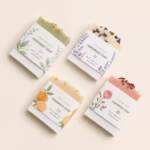
Full boxes protect a bar completely, but they also cover it completely. Many handmade and cold-process soap buyers want to see the bar’s texture, color swirl, or embossed design before buying, since that’s often what separates artisan soap from a mass-market bar.
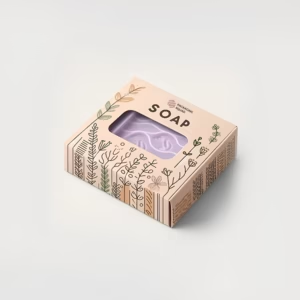
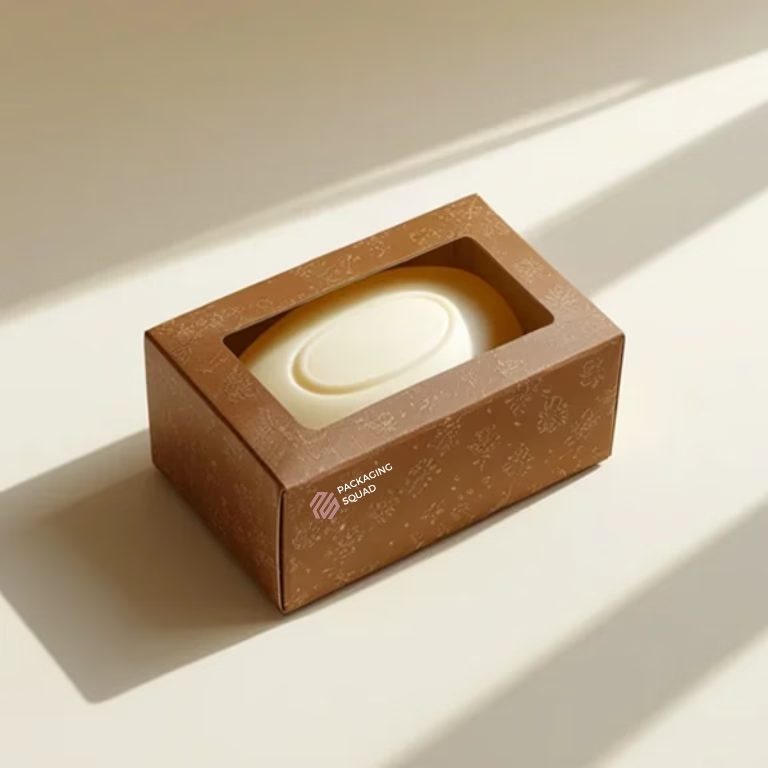
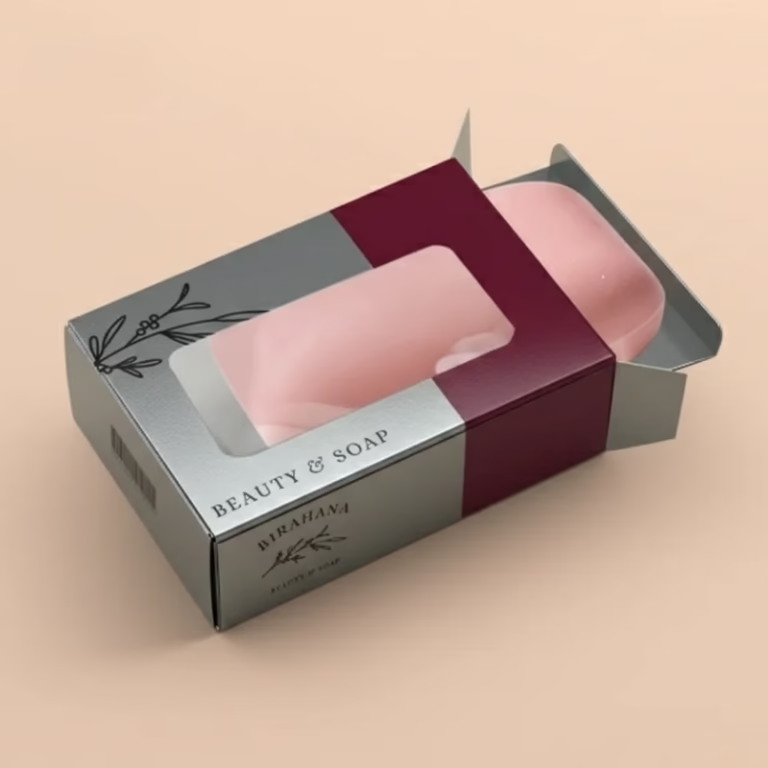
A sleeve leaves the bar’s ends exposed, or uses a cutout, so a shopper can see and sometimes smell the actual soap. That visibility can matter more for soap than for almost any other bath product, since texture and color are part of the sell.
Keep Labeling and Ingredients Legible
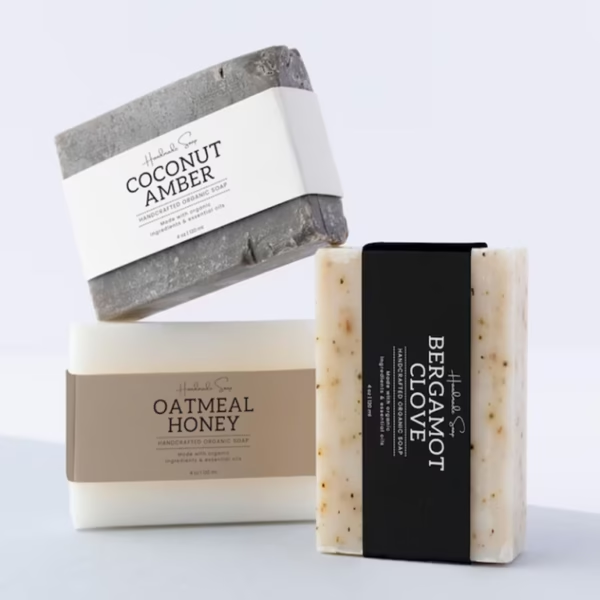
Soap labels usually carry ingredient lists, scent names, and sometimes a small brand story about the batch or the maker. If that information is printed directly on a thin wrapper, it can smear or fade with handling and moisture from washing hands nearby on a shelf.
A sturdier sleeve stock holds print more reliably than a thin wrapper alone, and gives ingredient and scent information a stable surface that stays legible through normal retail handling.
A Lower-Cost Alternative to a Full Box
Not every soap bar needs a full enclosed box. Bars sold at farmers markets, small retail counters, or direct from a maker’s own site often move fast enough that heavy protective packaging adds cost without adding much benefit.
A sleeve uses less material than a box, which usually means a lower per-unit cost. For soap makers running smaller batches or testing a new scent line, that lower cost can matter as much as the presentation itself.
Presentation That Fits a Natural, Small-Batch Look
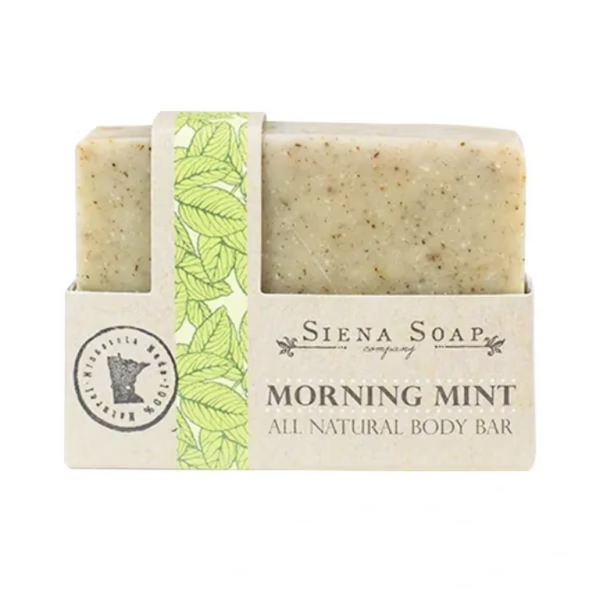
Soap sleeves tend to suit a simpler, more rustic design language than boxed cosmetics. Kraft paper stock with a single spot color or a stamped logo often reads as more handmade and trustworthy than a glossy, heavily printed box.
That said, a sleeve doesn’t have to look plain. Foil accents on a logo or a debossed brand mark can still signal quality on a simple kraft background without pushing the design toward a mass-market look.
Sized Around Your Bar
Soap bars vary in width, length, and thickness depending on the mold and recipe. A sleeve cut for a standard bar size will fit loosely or too tight on a thicker artisan bar.
Custom dimensions let the sleeve match your bar’s exact width and circumference, so it wraps snugly without straining the seam or leaving gaps where the bar can slide out during shipping or shelf handling.
Which Material Works Best?
Kraft paper is the most common choice for soap sleeves, since it holds a natural look that pairs well with handmade and cold-process soap branding, and it prints cleanly with a single color or simple line art.
Coated paperboard can work for brands wanting brighter colors or more detailed print, though it moves the look further from a rustic, small-batch presentation. Cardstock in a mid-weight range is a middle ground, sturdy enough to hold its wrap shape without adding much cost over standard paper stock.
What Can You Customize?
- Dimensions matched to your bar’s width, length, and thickness
- Cutouts or open ends to keep the bar visible on shelf
- Stock weight, from lighter kraft paper to a sturdier cardstock
- Finishing, such as a matte varnish, foil stamping, or embossing on the logo
- Branding elements, including logo, scent name, and batch or maker information
- Seam or closure style, glued, wrapped, or belly-band style depending on how the sleeve is applied
A cutout matters most when a bar’s color or texture is part of what draws a customer in. Batch or maker information matters more for soap than for many cosmetics, since handmade soap buyers often care about who made it and when.
Who Uses Custom Soap Sleeves?
Handmade and small-batch soap makers need low-cost packaging that still looks intentional and branded.
Farmers market and craft fair vendors need packaging that’s quick to apply and holds up to being handled by browsing shoppers.
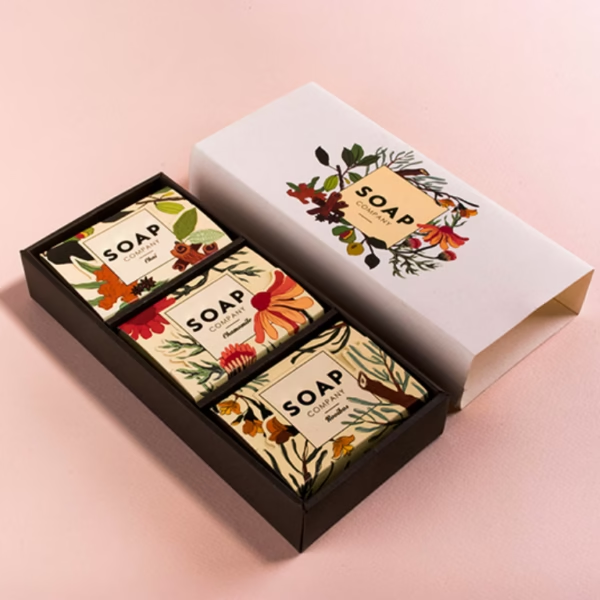
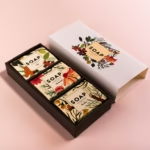
Gift shops look for a simple presentation that pairs well with bundled bath gift sets.
Subscription boxes need compact, lightweight packaging that ships well alongside items like Custom Bath Bomb Boxes.
Spas and salons sometimes sell branded soap bars as retail add-ons and need sleeves that match their in-house presentation.
Private-label soap brands use sleeves to build a consistent look across a scent or ingredient line without the added cost of full boxes.
Why Choose Packaging Squad?
Packaging Squad works with you on bar dimensions, stock weight, and print style so your sleeve fits correctly and matches your brand’s presentation. We support artwork and proofing, help you weigh kraft against cardstock or coated paperboard, and offer custom quantities based on your order size. Shipping is available across the USA.
If your line also includes other bath and body items, we can help you build matching packaging for products like Custom Body Scrub Boxes or Custom Soap Boxes so your full range looks connected on shelf.
Ready to Create Your Packaging?
Send us your bar dimensions and any design direction you have in mind. We’ll help you build a sleeve that shows off your soap and fits your brand.







Reviews
There are no reviews yet.