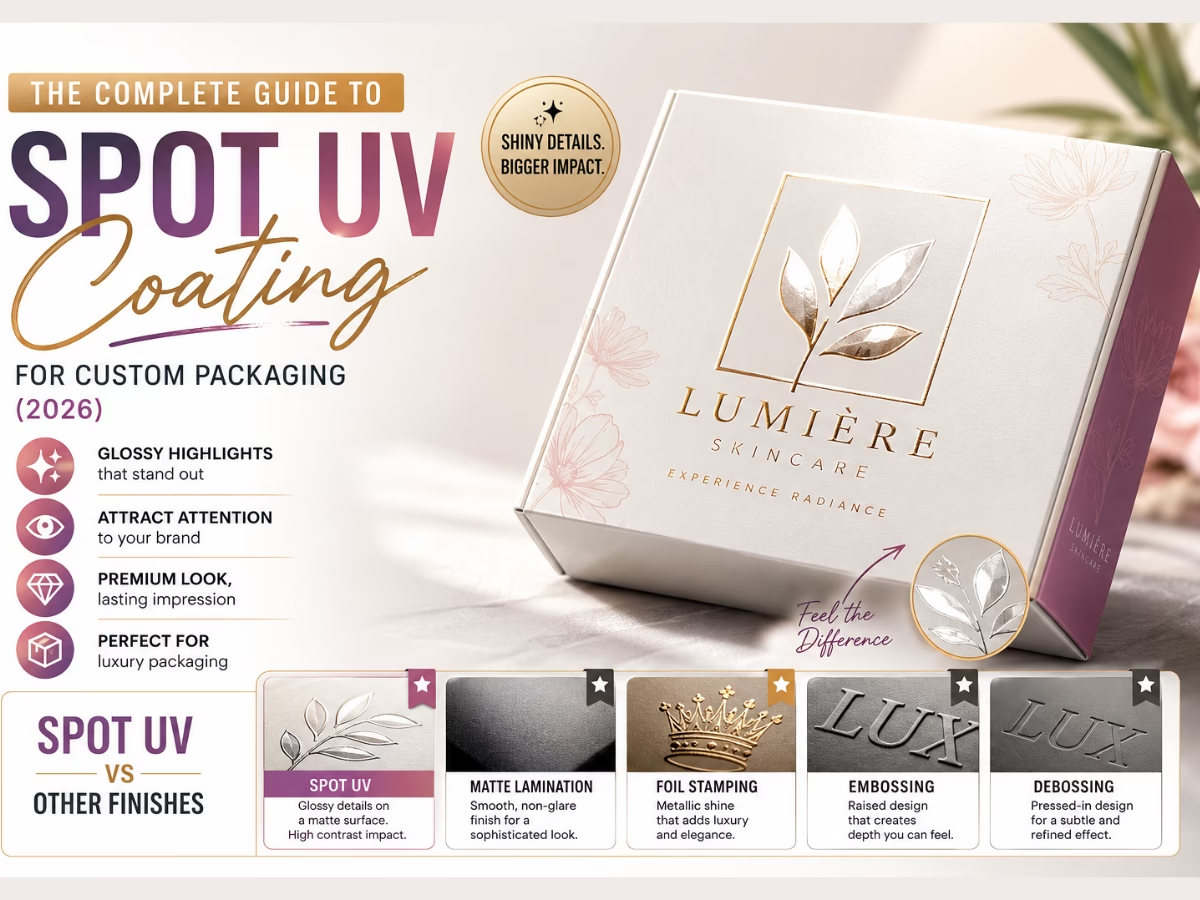
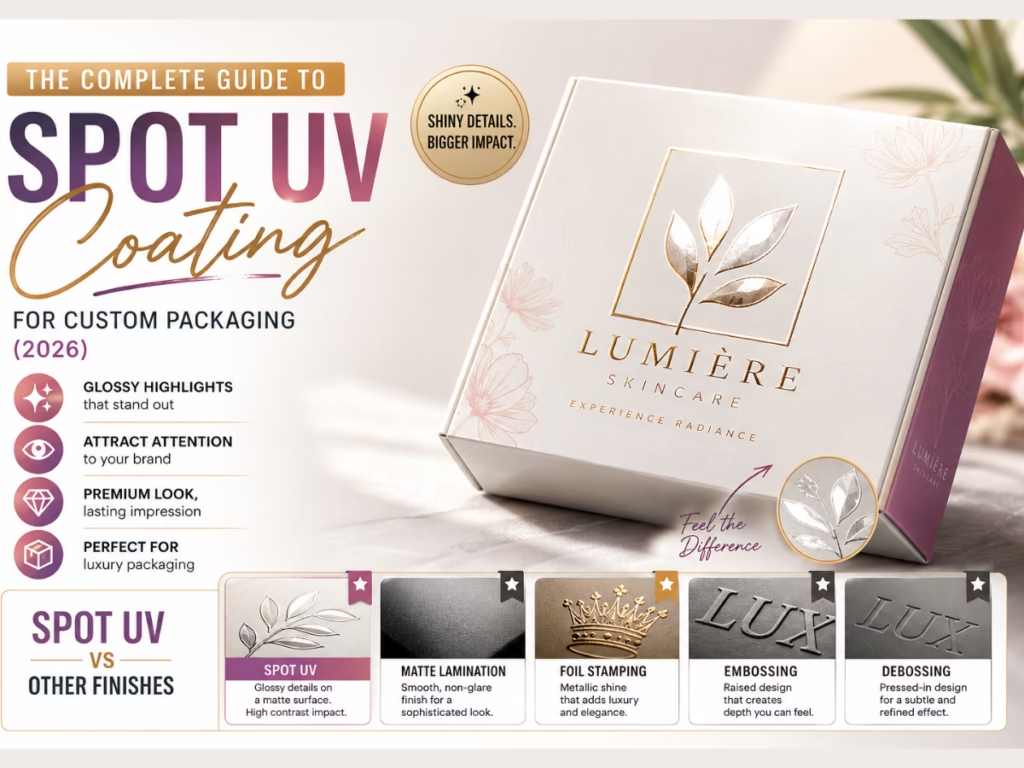
Quick answer: Spot UV is a glossy, clear coating. It’s applied to specific parts of a printed design, like a logo or headline. This creates a shiny, raised contrast against the matte or uncoated areas around it. Brands use spot UV to highlight their logo and signal quality. It costs less than foil stamping or embossing, but still looks premium.
Have you ever picked up a box and noticed the logo catches the light differently than the rest of the surface? That’s spot UV. Below, we’ll explain what it is, how it’s made, where it works best, and how it compares to other finishes like matte lamination, foil stamping, and embossing.
What Is Spot UV Coating?
UV coating is a liquid acrylic coating. It’s applied to a printed surface and cured instantly with ultraviolet light. When this coating covers an entire sheet, it’s called flood UV. When it’s applied only to certain design elements, like a logo, border, or icon, it’s called spot UV.
The result is a clear contrast. The surrounding packaging often has a soft matte or uncoated finish. The coated spot shines like glass. That contrast is the whole point. Spot UV doesn’t just add shine for its own sake. It draws the eye to the exact part of your design you want noticed first.
How Does Spot UV Printing Work?
Spot UV is applied as an extra step after your packaging is printed. Here’s how the process usually works.
First, your design is printed onto the box material. This could be cardboard, kraft, or rigid stock. A base lamination is often added too, usually matte or soft touch.
Next, the UV coating goes on. For longer print runs, printers use a screen printing plate cut to match your artwork. For shorter runs, a digital UV printer applies the coating directly.
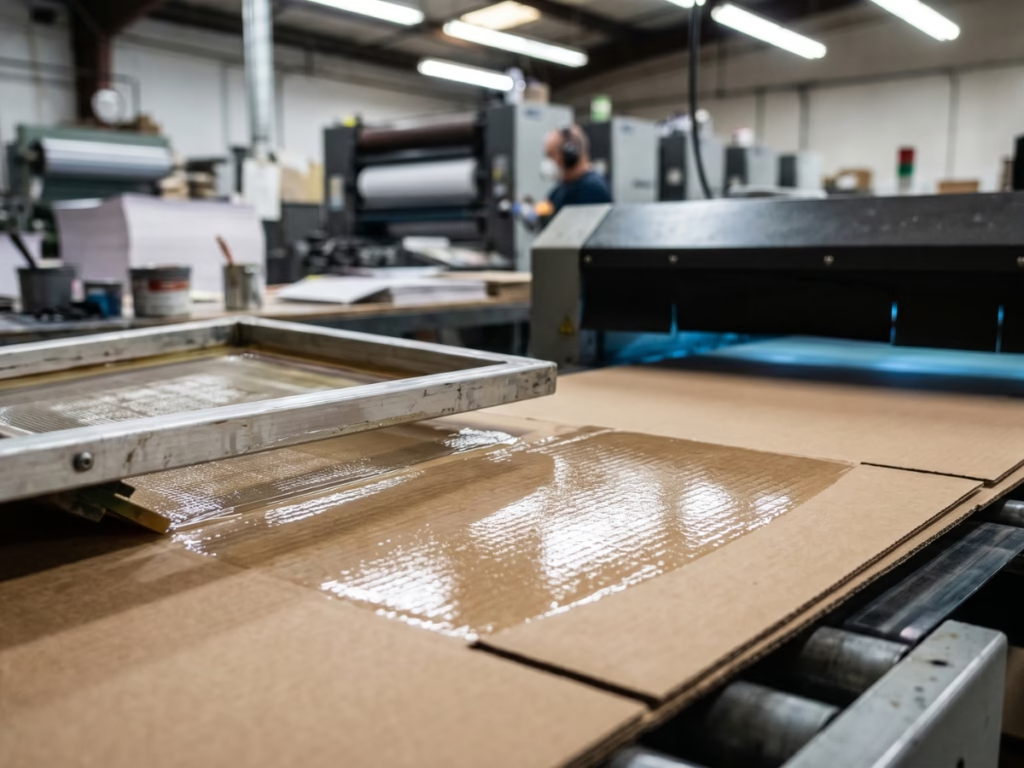
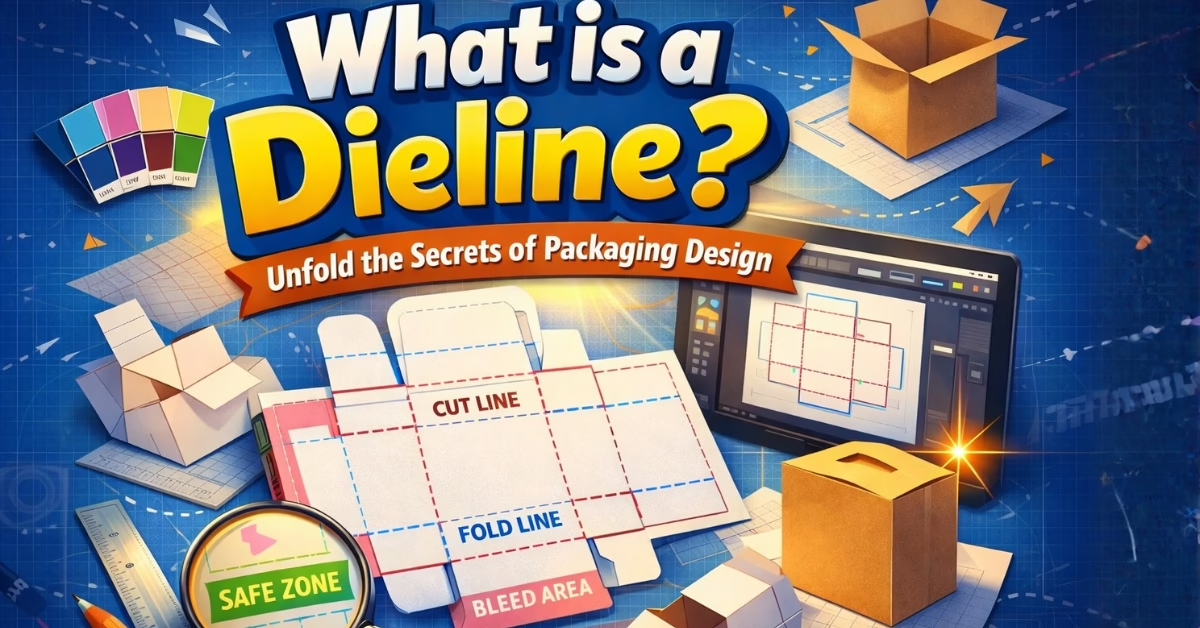
The coating has to line up exactly with the printed design underneath. This alignment is called registration. That’s why your spot UV areas need to be supplied as a clean, separate layer in your file.
Finally, the sheet passes under a UV lamp. This hardens the coating almost instantly into a durable, glossy finish.
This process can create a flat layer, or build up several layers for a raised effect. Let’s look at the different types.
Types of Spot UV Finishes
Flat (Gloss) Spot UV
This is the standard option. It’s a thin, glossy coating with no real texture change. The contrast comes from shine and color, not height. It’s the most affordable and most common choice for custom packaging boxes and labels.
Raised (3D) Spot UV
Raised spot UV builds up several layers of coating. This creates a texture you can actually feel with your finger. It looks more dramatic and feels more premium. You’ll often see it on luxury cosmetic boxes, rigid gift boxes, and high-end retail packaging.
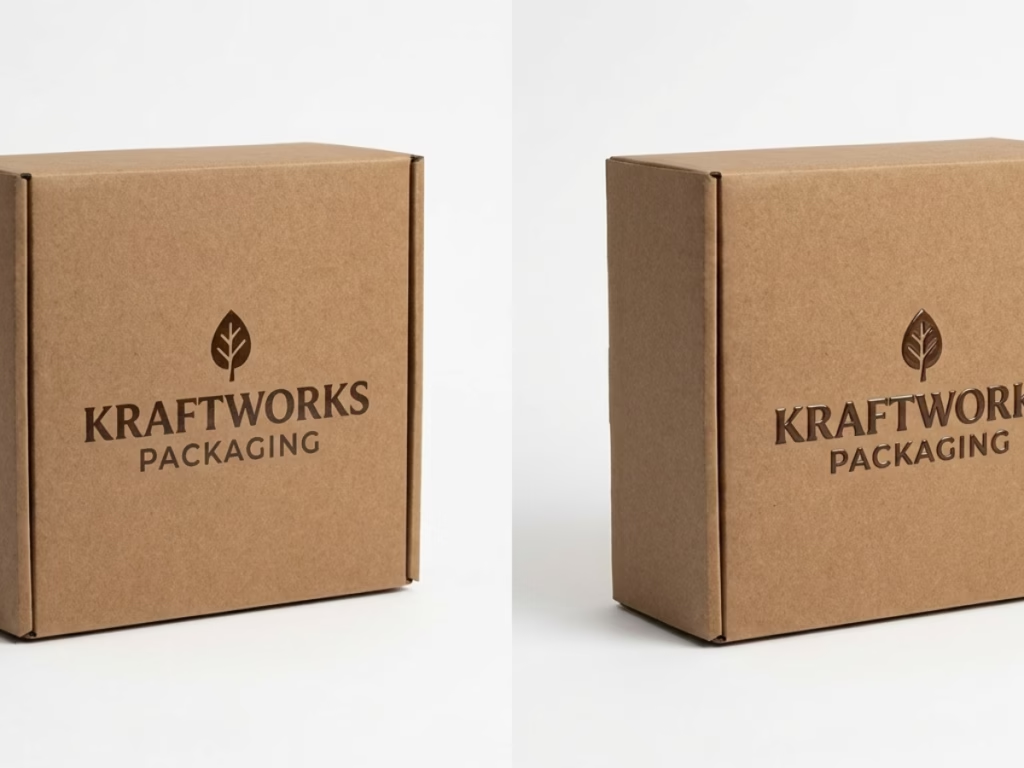
Spot UV Over Foil
Spot UV can also go directly over foil-stamped areas. This adds extra shine and depth to gold, silver, or holographic accents.
Spot UV vs Other Popular Packaging Finishes
Many brands compare spot UV to other finishing techniques before deciding. Here’s a quick breakdown.
| Finish | What It Does | Works Well With Spot UV? |
|---|---|---|
| Matte Lamination | Covers the whole surface with a soft, non glare film | Yes. This is the classic combo |
| Gloss Lamination | Covers the whole surface with an overall shine | Not usually. The contrast effect gets lost |
| Soft Touch Lamination | Gives the whole surface a velvety, suede like texture | Yes. Very popular for cosmetics |
| Foil Stamping | Uses heat and pressure to apply a metallic or colored foil | Yes. Spot UV over foil adds extra shine and depth |
| Embossing or Debossing | Physically raises or presses the material to create texture | Yes. Combining both creates a multi sensory effect |
Spot UV vs Matte Lamination
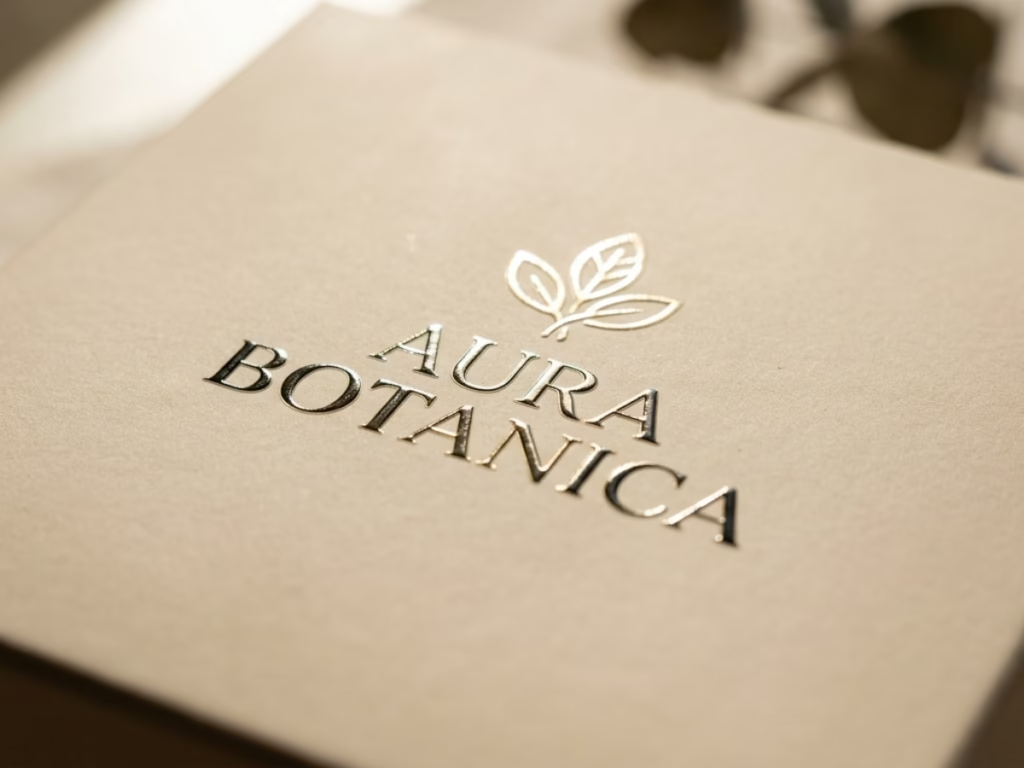
These two aren’t really competitors. They usually work together. Matte lamination covers the whole box with a soft, non glare surface. Spot UV then adds gloss on top of that matte base, usually on the logo or key graphics. This combination is one of the most requested looks in custom packaging, because the contrast is so immediate.
Spot UV vs Foil Stamping
Foil stamping uses heat and pressure to press a metallic or colored foil onto the surface. Spot UV uses a liquid coating cured by light. They create different effects. Foil adds color and metallic shine. Spot UV adds clear gloss and contrast. Many premium designs use both together. A foil stamped logo with a spot UV layer on top adds extra depth.
Spot UV vs Embossing
Embossing physically reshapes the material to create a raised design. Debossing does the same thing in reverse, creating a recessed design. Both are structural changes. Spot UV is just a surface coating. Flat spot UV adds no texture at all. Raised spot UV adds a little texture, but nowhere near as much as true embossing. For maximum tactile impact, many designers combine embossing with spot UV. That way, the raised area also catches the light.
Why Use Spot UV on Custom Packaging?
Spot UV offers several benefits for brands.
It draws attention to your branding. A glossy logo against a matte background naturally pulls the eye.
It signals quality. Spot UV is closely linked to high end retail, cosmetics, and gift packaging. It tells customers your brand pays attention to detail, even before they open the box.
It improves the unboxing experience. Raised spot UV adds a sensory touch that customers notice. Many even share it on social media.
It’s more affordable than foil or full embossing. You get a premium look without the higher production cost of those techniques.
It works on many materials. Spot UV can be applied to cardboard, kraft, rigid boxes, and labels. That makes it one of the most versatile finishes available.
Best Industries and Packaging Types for Spot UV
Spot UV shows up most often in these areas.
Cosmetic and skincare boxes use it to highlight brand names and icons on matte or soft touch packaging.
Retail and gift boxes use it to add shine to seasonal graphics, brand marks, or patterns.
Food and beverage packaging, like coffee, tea, and specialty food boxes, uses it to help products stand out on shelves.
Labels and stickers use spot UV to add a premium feel, even on small items.
E commerce and subscription boxes use a glossy logo on kraft or matte mailers to boost brand recognition during unboxing.
How to Prepare Artwork for Spot UV Printing
Getting spot UV right starts with how you set up your file.
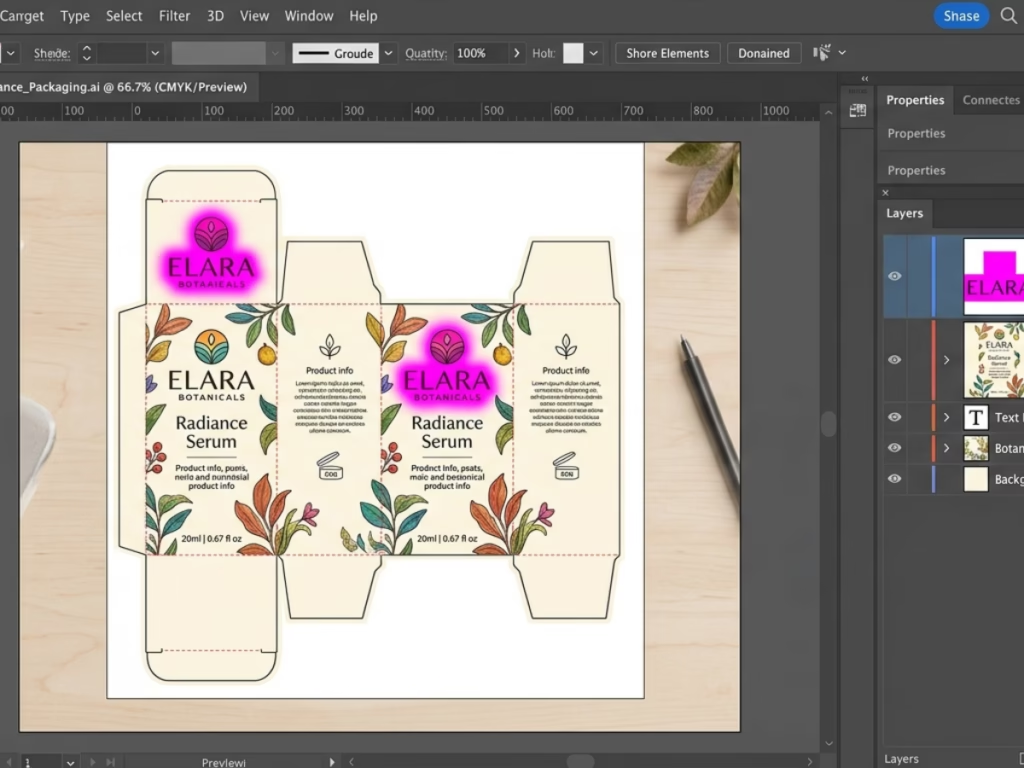
Create a separate layer for spot UV. This layer should contain only the shapes that need the coating. Fill them with a single spot color, often 100 percent black or 100 percent magenta, so the printer can easily identify them.
Keep the file in vector format. Use AI, EPS, or a properly layered PDF. Raster or pixel based spot UV layers can cause registration problems.
Avoid fine details on raised spot UV. Thin lines or small text can be hard to register precisely. They may not hold their shape well with thicker coatings. Flat spot UV handles fine detail better.
Watch your fold and score lines. Don’t place spot UV directly over creases. The coating can crack when the box folds.
Think about your base finish. If you’re pairing spot UV with matte or soft touch lamination, which is very common, let your printer know early. This helps with registration for both layers.
Pro tip: Not sure how to set this up? Our team checks every custom packaging file before production. We can help you prepare a print ready spot UV layer. Just mention it when you request your free quote.
How Much Does Spot UV Cost?
A few factors affect spot UV pricing.
The type matters. Flat spot UV is usually the most affordable. Raised or 3D spot UV costs more, because it needs a thicker coating and extra curing passes.
The coverage area matters too. Larger or more detailed spot UV areas take more time and material.
Order quantity also plays a role. Like most packaging finishes, the cost per unit drops at higher volumes.
The base material and finish matter as well. Pairing spot UV with lamination or foil adds to the finishing cost, but it’s often cheaper than full embossing or full foil coverage.
Pricing changes based on box style, size, and quantity. The best way to budget is to get a free custom quote, or run your specs through our packaging calculator.
Combining Spot UV With Other Finishes
Some of the best looking packaging doesn’t use spot UV alone. It layers finishes together.
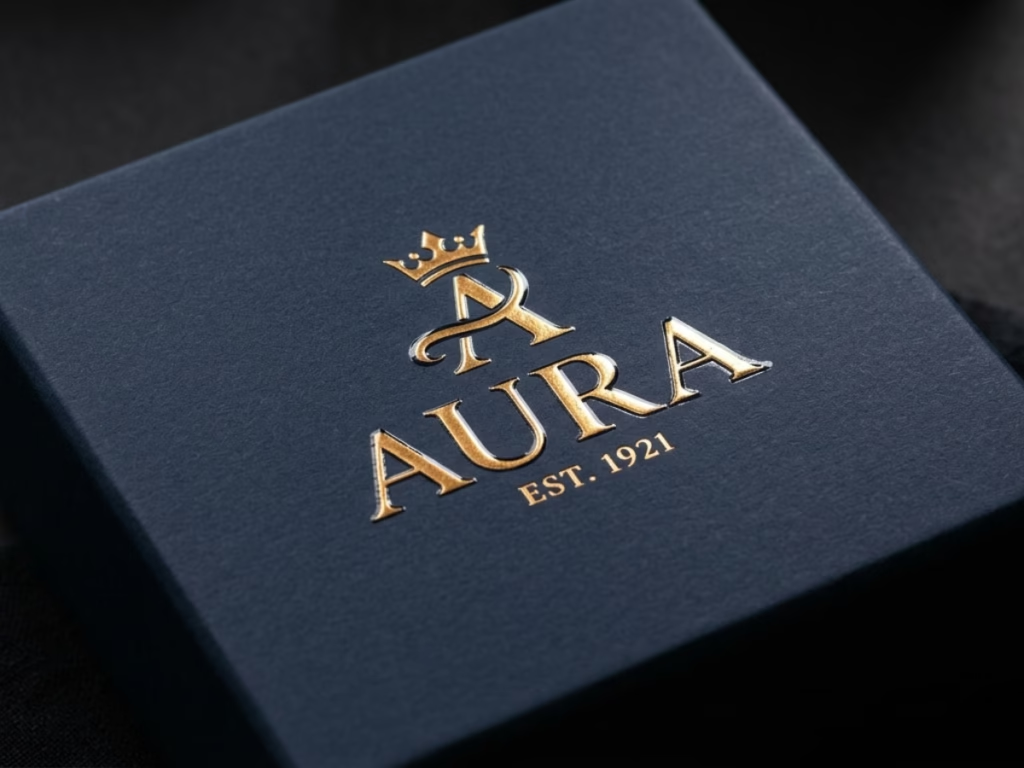
Soft touch plus spot UV is one of the most requested combinations in cosmetic and skincare packaging. A velvety matte box with a glossy logo looks fantastic.
Foil plus spot UV adds extra shine and depth to metallic accents.
Embossing plus spot UV combines structural texture with surface gloss for the biggest visual and tactile impact.
If you’re exploring options for cosmetic and skincare packaging or retail and gift packaging, our design team can mock up different finish combinations. You’ll see exactly how spot UV looks on your box before production starts.
Frequently Asked Questions
What is spot UV coating?
Spot UV is a glossy, clear coating applied to specific parts of a design, like a logo or headline. It creates a shiny contrast against the matte surface around it.
What is the difference between spot UV and matte lamination?
Matte lamination covers the whole surface with a soft, non glare film. Spot UV adds gloss only to certain parts of the design. They’re often combined, with matte lamination as the base and spot UV highlighting key graphics.
Can spot UV be combined with foil stamping?
Yes. Spot UV is often layered over foil-stamped areas. This adds extra shine and depth, creating a premium look.
Is spot UV expensive compared to other finishes?
Flat spot UV is one of the more affordable premium finishes. Raised spot UV costs more, because it needs thicker coating and extra curing steps. Final pricing depends on box size, coating area, and quantity.
What file format do I need for spot UV artwork?
Spot UV areas should be a separate vector layer, like AI, EPS, or a layered PDF. Mark them in a single spot color, so the printer knows exactly which areas to coat.
Does spot UV work on kraft or recycled materials?
Yes, but the contrast is more subtle on uncoated kraft compared to coated stock. A base lamination is often recommended on kraft. This helps maximize the contrast between the matte surface and the glossy spot UV.
Final Thoughts
Spot UV is one of the simplest ways to make packaging feel more premium. It’s also one of the most affordable. Whether you’re launching a cosmetics line, refreshing a retail box, or designing a subscription mailer, a well placed spot UV logo can make your packaging stand out.
Ready to see spot UV on your own packaging? Get a free custom quote, and our design team will help you choose the right finish for your brand.