Have you ever noticed how some products instantly catch your eye while others get ignored — even if the quality is the same?
In most cases, the difference isn’t the product itself. It’s the packaging.
Today, packaging is much more than a simple box or bag. It protects products during shipping, communicates your brand story, improves the customer experience, and directly influences buying decisions. For modern businesses — especially e-commerce sellers and growing brands — the right custom packaging can mean fewer damages, lower logistics costs, and higher sales.
Whether you’re ordering your first custom boxes, refining an existing product packaging design, or looking for more sustainable options, understanding packaging fundamentals will help you make smarter decisions, reduce production time, and deliver the perfect packaging for your customers.
In this complete guide, you’ll learn what packaging really is, the different types of packaging boxes and materials, how custom box design works, and how to choose solutions that fit your business needs.
What is Packaging and Why Does It Matter?
What Exactly is Packaging?
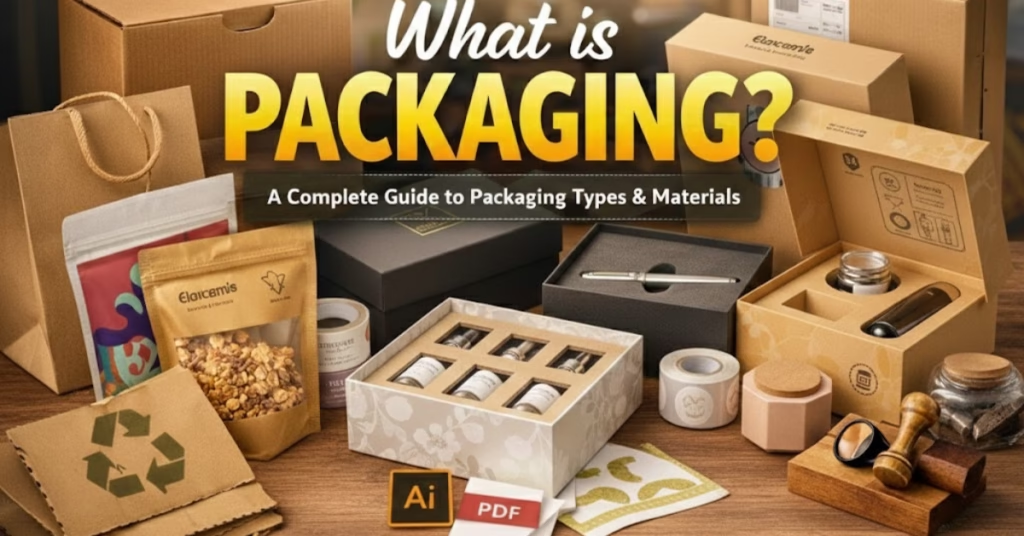
Packaging is the process of enclosing, protecting, and presenting a product using materials such as boxes, bags, pouches, labels, or mailers so it can be stored, shipped, sold, and used safely.
In simple words:
Packaging protects the product and sells the product at the same time.
It includes everything from corrugated boxes used for shipping cargos, to retail boxes on shelves, to stand-up pouches for snacks or sweets, and even custom stickers and labels that carry your logo and information.
Many people confuse packaging with labeling, but they’re different:
- Packaging → the physical box, bag, or container
- Labeling → information like logo, ingredients, instructions, or stickers
Both work together to create a complete brand experience.
Why is Packaging Important for Your Business?
If you run a business, packaging isn’t just an extra cost — it’s an investment.
Here’s why it matters:
Protection & Reliability
Strong corrugated packaging or cardboard boxes protect products during production, storage, and shipping. This reduces returns, damaged orders, and unhappy customers.
Branding & First Impressions
Your custom box design, logo, printing quality, and artwork are often the first thing customers see. Good packaging builds trust before they even open the box.
Better Customer Experience
A smooth unboxing experience using clean designs, tuck tops, rigid boxes, or mailer boxes makes your brand feel premium and memorable.
Logistics & Cost Optimization
The right size, material, and quantity reduce shipping weight, lower carbon footprint, and improve supply chain efficiency.
Professionalism & Trust
Accurate printing, clear labels, and proper product packaging show customers your business is reliable and serious about quality.
In fact, studies show that over 70% of customers say packaging design influences their buying decision, which means your packaging boxes directly impact sales, not just protection.
What Are the Different Types of Packaging?
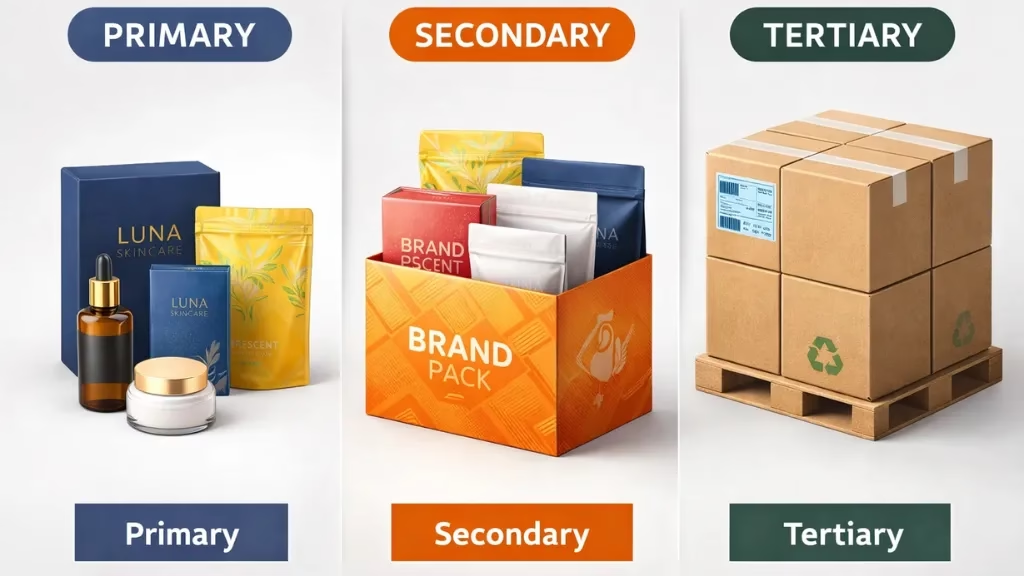
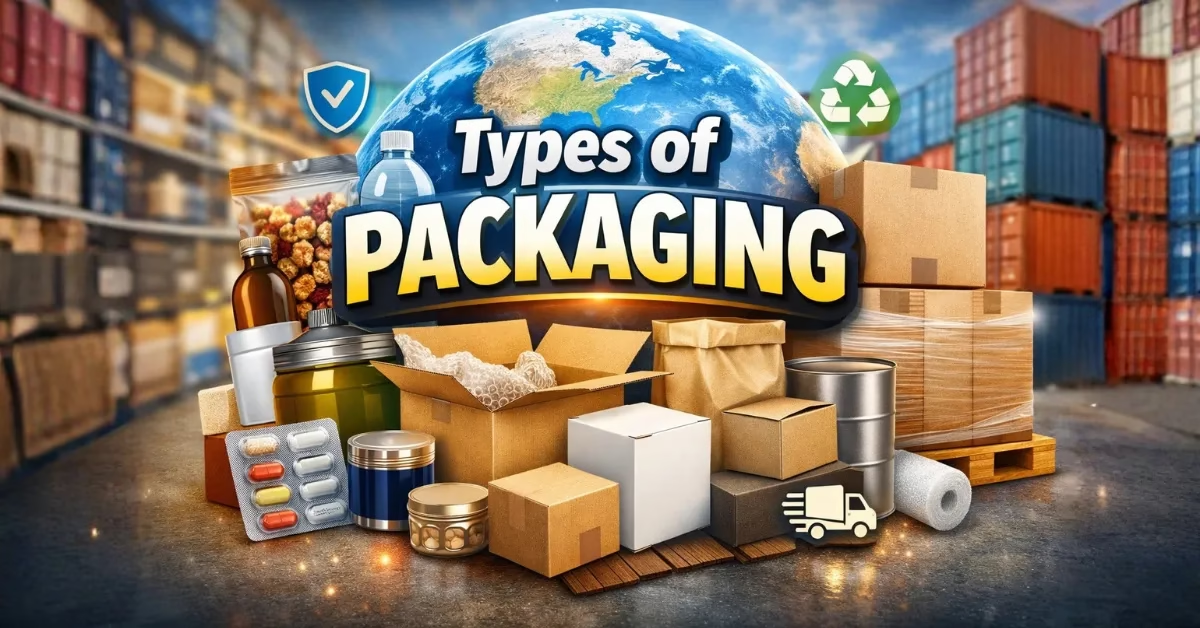
Not all packaging serves the same purpose. Professionals divide packaging into three main levels based on how products move through the supply chain, from production to customer delivery.
Understanding these types helps you choose the right custom sizes, materials, and designs for your orders.
1. Primary Packaging (Product-Level Protection)
Primary packaging is the first layer that directly touches the product.
Examples include:
- Food wrappers
- Bottles
- Cosmetic containers
- Stand-up pouches
- Small product boxes
This layer focuses on:
- Protection
- Hygiene
- Freshness
- Basic labeling
For example, a chocolate bar wrapper or a skincare bottle is primary packaging.
For many businesses, this is where artwork resolution, ink quality, labels, and printing details matter most because customers interact with it directly.
2. Secondary Packaging (Branding & Retail Display)
Secondary packaging groups multiple products together and is often used for branding and presentation.
Examples:
- Custom boxes
- Retail packaging
- Mailer boxes
- Product boxes
- Gift boxes
- Chipboard or cardboard cartons
This is where custom packaging really shines.
Brands typically:
- Add logos
- Use special designs
- Create custom stickers
- Improve printing quality
- Enhance the unboxing experience
If you sell online or in stores, this is your main marketing layer. A well-designed custom mailer or retail box can instantly differentiate your brand.
3. Tertiary Packaging (Shipping & Logistics)
Tertiary packaging is used for bulk handling and transportation.
Examples:
- Large corrugated boxes
- Pallets
- Shrink wrap
- Cargo containers
This level focuses purely on:
- Logistics
- Reliability
- Protection during shipping
- Faster warehouse handling
It’s less about design and more about durability and efficiency.
For businesses shipping large quantities or wholesale orders, strong tertiary packaging reduces damage and improves turnaround time and delivery date reliability.
Check out our guide to types of packaging to understand materials, designs, and uses.
✅ Quick Summary
| Type | Purpose | Example |
| Primary | Protect the product | pouch, bottle, wrapper |
| Secondary | Branding & retail | custom boxes, mailers |
| Tertiary | Shipping & logistics | corrugated cartons, pallets |
Which Packaging Materials Should You Choose?
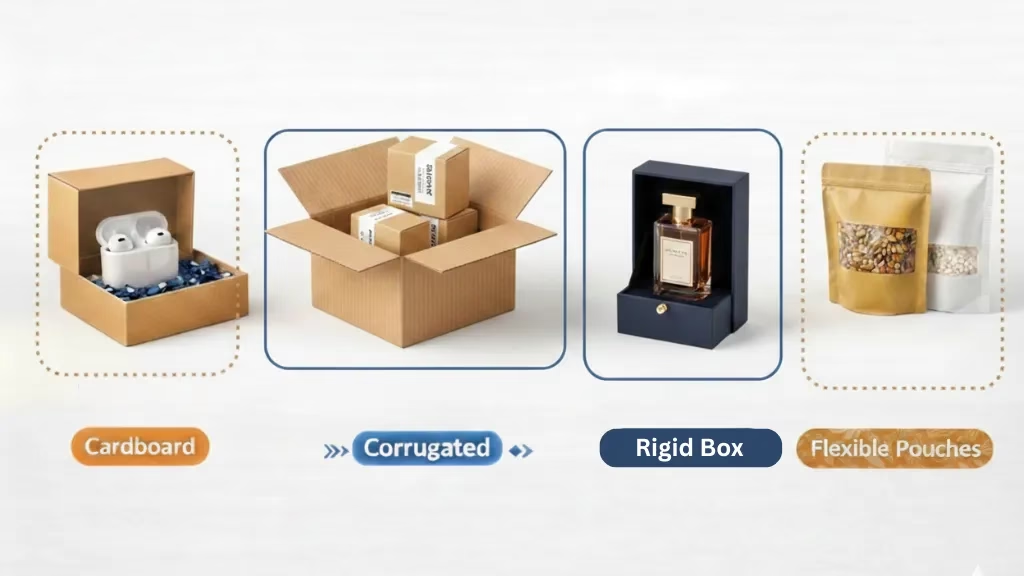
Choosing the right packaging material is just as important as the box design itself.
The wrong material can increase shipping costs, damage products, and hurt your brand image. The right one improves protection, lowers your carbon footprint, and enhances the customer experience.
Different products have different needs — fragile items, food, cosmetics, gifts, and heavy cargos all require different solutions.
Here’s how the most common packaging materials compare in real-world use.
Paper & Cardboard Packaging
Paperboard and cardboard are among the most widely used materials in custom packaging today.
You’ll see them in:
- Retail boxes
- Product boxes
- Mailer boxes
- Folding cartons
- Labels and inserts
Why businesses prefer it:
- Lightweight and affordable
- Easy printing and branding
- Works well with logos, ink, and artwork
- Recyclable and eco-friendly
- Great for custom box design and custom sizes
Because cardboard supports sharp printing, thin lines, and clean artwork resolution, it’s ideal when brand presentation matters. Many businesses choose cardboard for their first order because it balances cost and quality.
Best for: cosmetics, electronics, small retail products, gifts, subscription mailers
Corrugated Packaging
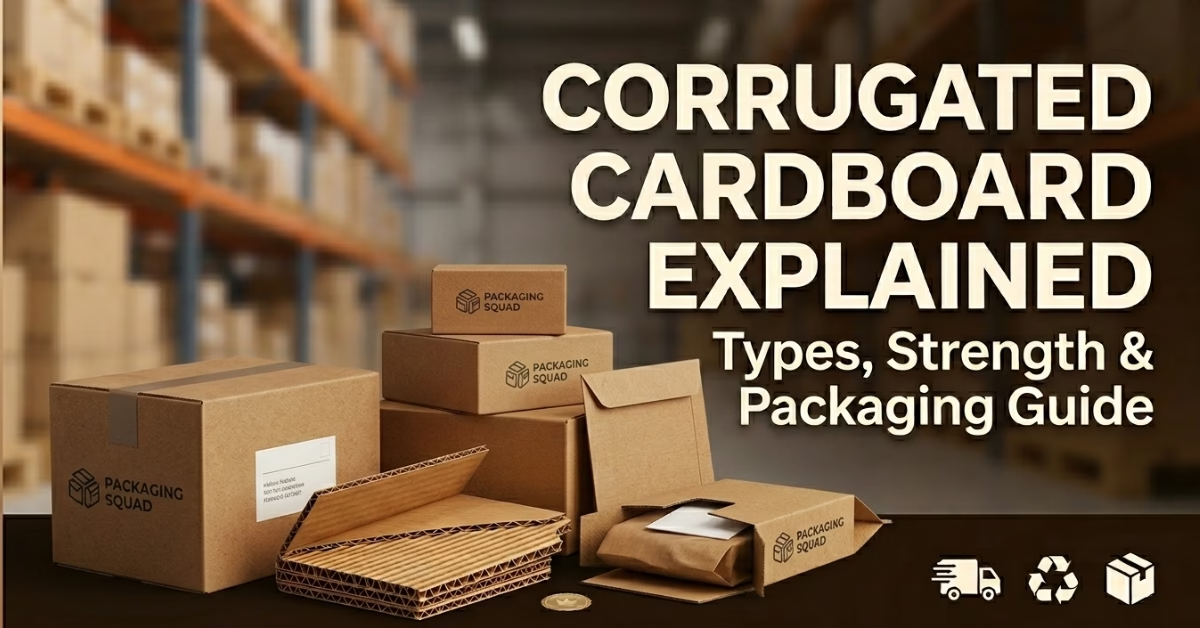
Corrugated packaging uses layered cardboard with fluting for extra strength. It’s the backbone of shipping boxes and logistics.
You’ll commonly use it for:
- Corrugated boxes
- Mailers
- Bulk packaging
- Shipping cartons
Benefits:
- High durability and crush resistance
- Protects products during long shipping times
- Ideal for supply chain and cargo handling
- Cost-efficient for large quantity orders
If your business ships nationwide or internationally, corrugated boxes improve reliability and reduce damaged returns.
Best for: e-commerce shipping, fragile products, heavy items, bulk orders
Rigid & Premium Materials
Rigid boxes (chipboard-based structures) are thicker and sturdier than folding cartons.
You often see them used for:
- Luxury product packaging
- Gift boxes
- Electronics
- Premium sweets or cosmetics
Why brands choose rigid boxes:
- Premium unboxing experience
- Strong structure
- High perceived value
- Excellent for one-of-a-kind custom designs
If branding and presentation matter more than unit price, rigid packaging helps elevate your brand positioning instantly.
Best for: luxury brands, gifts, influencer kits
Plastic & Flexible Packaging (Pouches, Bags, Films)
Flexible packaging includes:
- Stand-up pouches
- Mylar bags
- Plastic wraps
- Sealed food bags
Advantages:
- Lightweight
- Space-saving
- Lower shipping cost
- Moisture resistant
- Resealable options
These are especially popular in food, snacks, and health products because they protect freshness while reducing logistics weight.
However, sustainability is a concern, so many brands now look for post-consumer or recyclable options to lower their environmental impact.
Best for: snacks, sweets, powders, supplements, small consumer goods
How Do You Choose the Right Material for Your Needs?
Ask yourself:
- Is my product fragile or heavy?
- Does it need moisture protection?
- Is presentation or shipping more important?
- Do customers expect sustainable packaging?
- What’s my budget and minimum order quantities?
Balancing material + size + design + quantity is key to achieving both cost efficiency and quality.
What Are the Main Functions of Packaging?
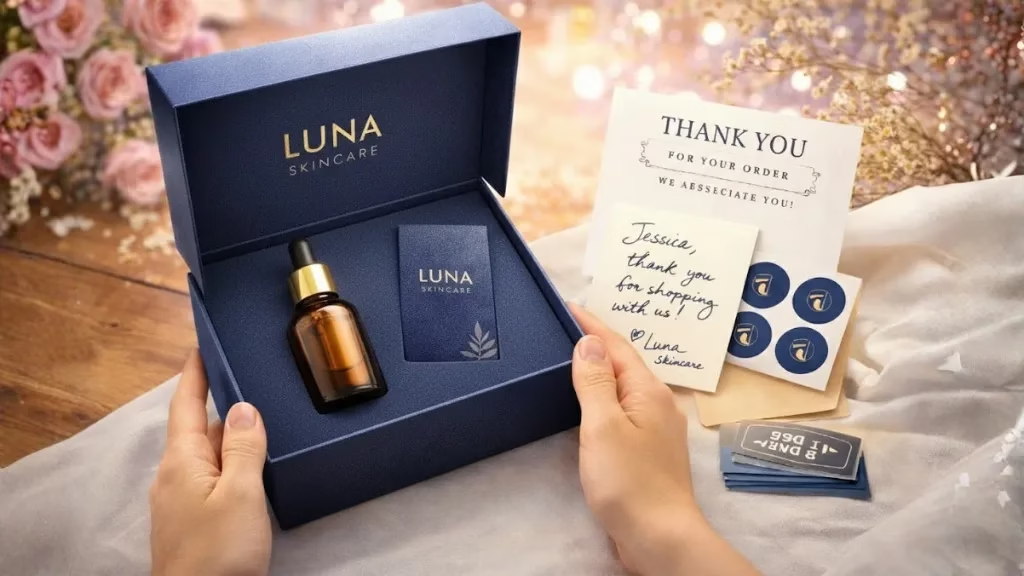
Many beginners think packaging is just a container.
Professionals know it performs multiple critical business functions at the same time.
If your packaging fails at even one of these, your customer experience suffers.
Protection & Preservation
This is packaging’s first job.
Good packaging protects products from:
- Physical damage
- Moisture
- Dust
- Contamination
- Temperature changes
Strong corrugated boxes, mailers, and inserts keep items safe during production, storage, and shipping.
For food or cosmetics, proper sealing also preserves freshness and shelf life.
Without reliable packaging, even the best product can arrive broken.
Branding & Marketing
Packaging is your silent salesperson.
Before customers even try your product, they judge:
- Design
- Colors
- Logo
- Printing quality
- Overall presentation
A clean custom box design builds trust instantly.
Details like:
- custom stickers
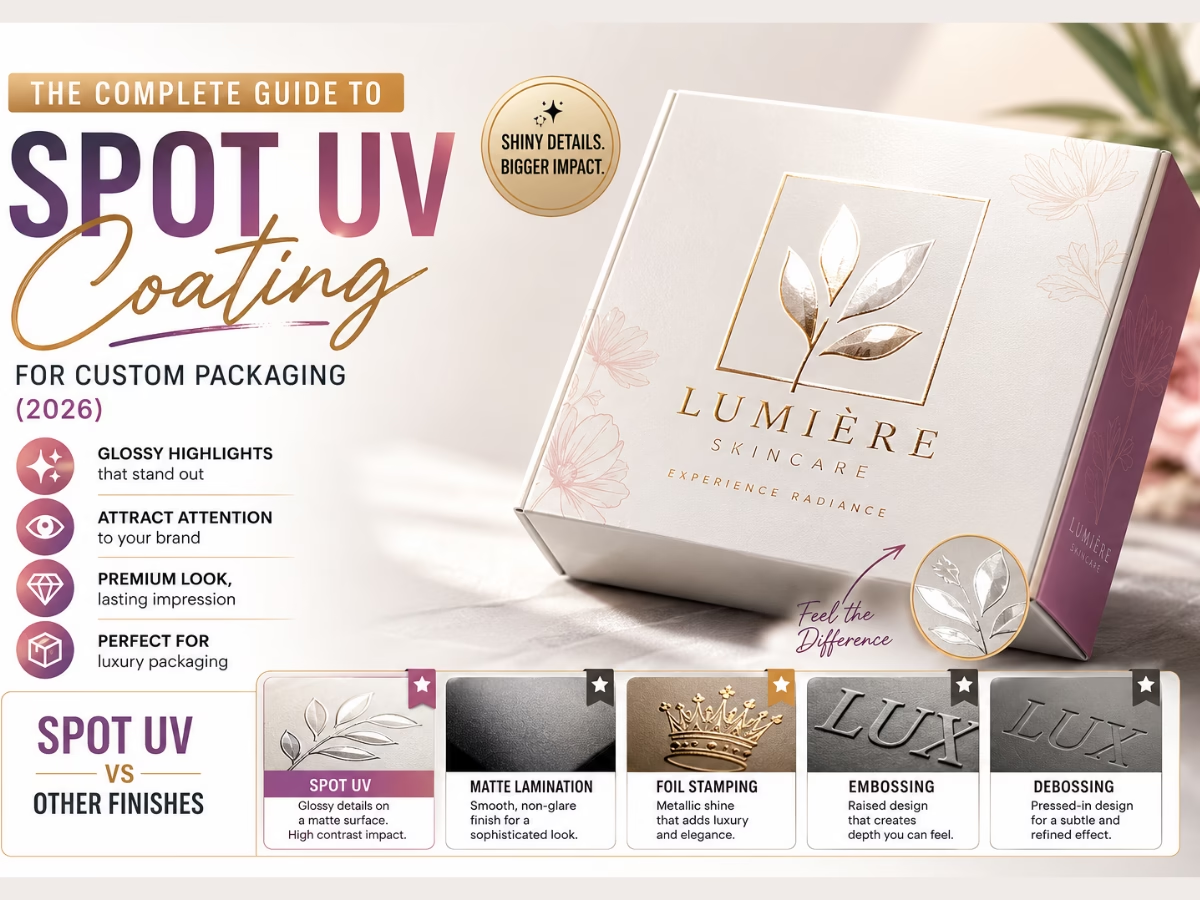
- premium ink finishes
- professional artwork
- thoughtful packaging designs
…all shape the customer’s perception of your brand.
This is why many businesses invest heavily in retail packaging and mailer boxes that create a memorable unboxing experience.
Convenience & Usability
Smart packaging makes life easier.
Examples:
- Easy-open tuck tops
- Resealable pouches
- Lightweight mailers
- Stackable boxes for storage
Convenience improves satisfaction and reduces complaints.
Logistics & Supply Chain Efficiency
Packaging also affects your operations and costs.
Optimized packaging:
- Reduces shipping weight
- Saves warehouse space
- Speeds up checkout and packing
- Improves turnaround time
- Lowers carbon footprint
The right size and structure can dramatically improve your supply chain efficiency.
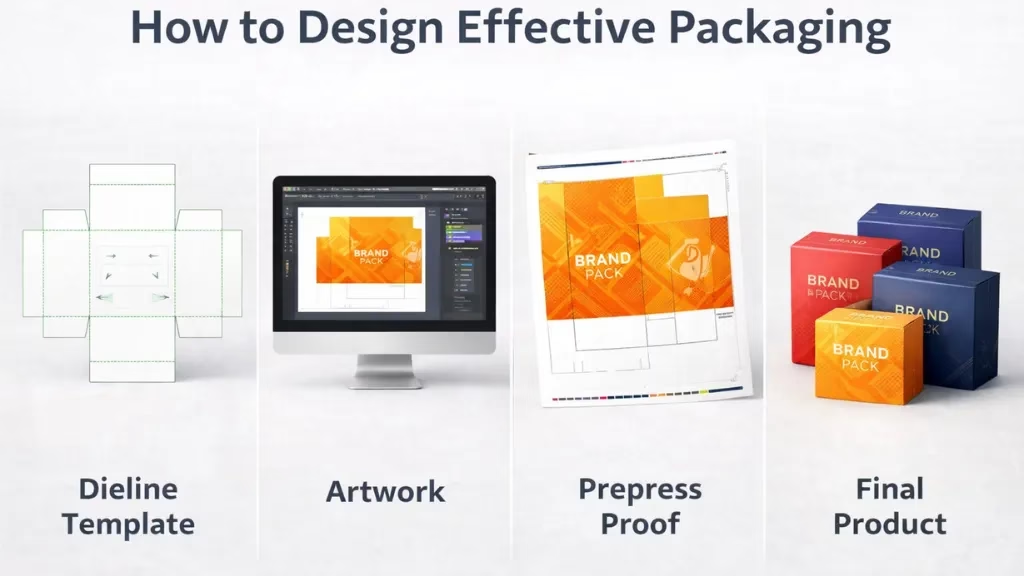
How Do You Design Effective Packaging? (Step-by-Step Guide)
Now comes the part most businesses care about:
👉 How do you actually create custom packaging that looks professional and works perfectly?
Here’s a practical, expert-backed process used by experienced packaging teams.
Step 1: Understand Your Product
Start with the basics:
- Size
- Weight
- Fragility
- Shelf life
- Shipping conditions
Your packaging must fit the product — not the other way around.
Custom sizes prevent wasted space and reduce shipping costs.
Step 2: Define Your Brand & Customer Experience
Think beyond protection.
Ask:
- Who are my customers?
- Premium or budget positioning?
- Online or retail?
- What feeling should the unboxing create?
This shapes your design direction, materials, and finishes.
Step 3: Create Your Box Structure (Dieline Stage)
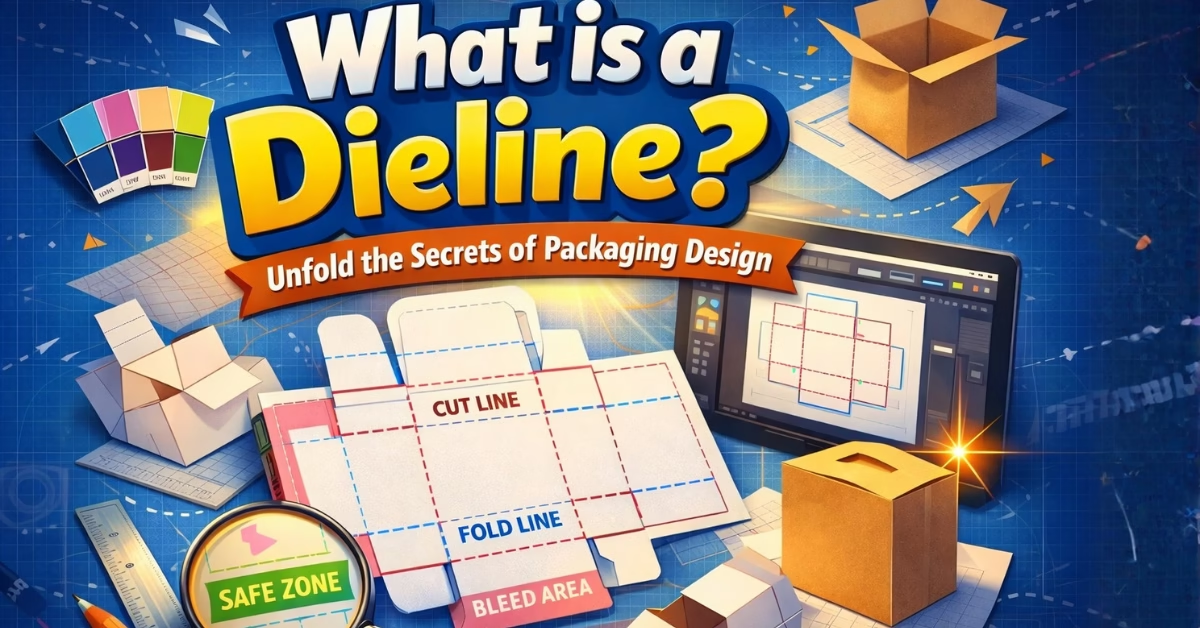
Every custom box starts with a dieline template.
A dieline shows:
- folds
- cuts
- glue areas
- dimensions
Designers often use Adobe Illustrator to build layouts accurately.
This step ensures:
- correct box size
- efficient material use
- smooth production
Step 4: Prepare Artwork & Printing Files
Before printing, check:
- artwork resolution
- thin lines
- color settings
- logo clarity
- bleed and margins
Most companies use PDF files or Illustrator files.
A dedicated in-house prepress team reviews these to avoid errors.
This prevents costly reprints and delays.
Step 5: Request Digital Proofs
Always ask for a digital proof or proof page before full production.
Proofs help you:
- check design
- confirm colors
- verify text
- catch mistakes early
This saves time, money, and stress.
Step 6: Production & Delivery
After approval:
- printing begins
- boxes are produced
- quality checks happen
- orders ship within agreed business days
A reliable team ensures:
- consistent quality
- predictable turnaround time
- accurate delivery date
Many suppliers even offer free consultation and expert guidance if you have technical concerns.
✅ Quick Pro Tip
If this is your first order, start small, test the design, then refine packaging later.
This reduces risk and helps you optimize your unit price over time.
How Does Packaging Impact Marketing, Sales, and Customer Experience?
Most beginners think packaging is just protection.
Smart brands know something different:
👉 Packaging is marketing.
Before customers try your product, talk to your team, or read reviews, they judge your box, design, and presentation first.
In many cases, packaging decides whether a customer buys — or scrolls past.
How Does Packaging Influence Buying Decisions?
Studies consistently show that packaging directly affects consumer behavior.
When customers see your product, they instantly evaluate:
- Design quality
- Logo placement
- Colors and ink finish
- Material strength
- Printing clarity
- Overall professionalism
If your product packaging looks cheap or generic, people assume the product inside is low quality too.
But a clean, professional custom box design builds trust immediately.
That’s why retail shelves are full of:
- premium packaging boxes
- eye-catching retail boxes
- unique artwork
- bold designs
Because first impressions sell.
How Can Packaging Strengthen Your Brand Identity?
Think of packaging as your brand’s physical voice.
Every element communicates something:
- Minimal design → modern & premium
- Kraft cardboard → eco-friendly & natural
- Rigid boxes → luxury
- Colorful mailers → fun & youthful
- Custom stickers & labels → handmade or personal
When you consistently use:
- your logo
- brand colors
- custom packaging designs
- high-quality printing
Customers start recognizing your brand instantly.
This recognition builds:
✅ trust
✅ loyalty
✅ repeat orders
Over time, your packaging becomes part of your brand identity, not just a box.
How Does Packaging Improve the Unboxing Experience?
Today, especially in e-commerce, the unboxing experience matters more than ever.
Customers don’t just open packages — they film them, share them, and post them on social media.
A thoughtful mailer or custom box can turn a simple delivery into a memorable moment.
Small touches make a huge difference:
- smooth opening tuck tops
- clean folding
- custom inserts
- thank-you cards
- branded stickers
- premium finishing
This creates excitement and increases the chances of customers:
- share online
- recommend your brand
- place a second order
In other words:
👉 Better packaging = better customer experience = more sales
Real-World Example (Opportunity for Case Study)
You can add a short case study here like:
“After switching from plain shipping boxes to branded mailer boxes with custom printing and inserts, the company reduced damages by 30% and increased repeat customers within 90 days.”
These practical examples boost EEAT and credibility.
How Can Packaging Be Sustainable and Eco-Friendly?
Sustainability is no longer optional.
Modern customers actively prefer brands that reduce waste and lower their carbon footprint.
In fact, many buyers now choose products based on sustainable packaging alone.
So eco-friendly packaging isn’t just good for the planet — it’s good for business too.
What is Sustainable Packaging?
Sustainable packaging focuses on:
- reducing material usage
- using recyclable or post-consumer materials
- lowering shipping weight
- minimizing environmental impact
The goal is to protect products while creating less waste in the supply chain.
Which Materials Are More Eco-Friendly?
Here are common sustainable options:
Cardboard & Corrugated Packaging
- recyclable
- biodegradable
- renewable
- widely accepted in recycling systems
This is why most corrugated boxes and mailers are considered environmentally friendly.
Kraft Paper & Chipboard
- natural look
- low ink usage
- compostable options
- great for retail packaging
Popular with eco-conscious brands.
Post-Consumer & Recycled Materials
- made from reused fibers
- reduces landfill waste
- lowers carbon footprint
More businesses now request these materials for their custom packaging orders.
How Can Businesses Reduce Packaging Waste?
Sustainability isn’t just about materials — it’s also about smarter design.
You can reduce waste by:
✅ using custom sizes instead of oversized boxes
✅ removing unnecessary layers
✅ optimizing packaging designs for logistics
✅ lowering shipping weight
✅ consolidating packaging products
For example, switching from large cartons to properly sized mailer boxes can cut both material cost and shipping fees.
That’s good for:
- your budget
- your supply chain
- the environment
How Does Sustainable Packaging Build Customer Trust?
Today’s customers value responsible brands.
When they see:
- recyclable packaging
- minimal waste
- eco messaging
- sustainable materials
They feel better about supporting your business.
This increases:
- brand loyalty
- repeat orders
- positive word-of-mouth
So sustainability isn’t just ethical — it’s a competitive advantage.
What Are the Emerging Trends in Packaging?
Packaging is evolving fast.
Technology, sustainability, and customer expectations are changing how businesses design and produce boxes.
Staying updated helps you stay ahead of competitors.
Smart Packaging & QR Codes
Modern packaging now includes:
- QR codes
- NFC tags
- scannable labels
These allow customers to:
- verify authenticity
- watch product videos
- access instructions
- connect with your brand online
Great for engagement and trust.
Digital Printing & Faster Turnaround Times
New printing technology allows:
- shorter production time
- lower minimum order quantities
- faster turnaround
- easier customization
This helps small businesses order custom packaging without huge bulk commitments.
Perfect for:
- first orders
- seasonal products
- limited editions
Brands now use:
- design tools
- dieline templates
- Adobe Illustrator workflows
- prepress optimization
With a dedicated prepress team, artwork issues like thin lines or low resolution are caught early, saving time and reducing errors.
This improves:
- quality
- reliability
- production efficiency
Minimalist & Functional Packaging
Modern trends show:
👉 less is more
Customers prefer:
- clean designs
- fewer materials
- simple structures
- easy-to-open boxes
Minimal packaging reduces cost while improving sustainability.
Circular Economy Packaging
Some brands now reuse packaging completely through:
- returnable boxes
- refill systems
- subscription mailers
This reduces waste and creates long-term customer relationships.
How to Choose the Right Packaging for Your Product (Step-by-Step Checklist)
At this point, most readers aren’t just learning anymore.
They’re thinking:
👉 “Okay… but which packaging should I actually choose for my business?”
This is where many guides stop.
But professionals need expert guidance, not just definitions.
So here’s a practical, real-world framework you (or any business owner) can follow before placing an order.
✅ Step 1 — Understand Your Product Needs
Start with protection first — design comes later.
Ask:
- Is the product fragile or heavy?
- Does it need moisture resistance?
- Will it travel long distances during shipping?
- Does it require food-safe or special material?
Examples:
- Glass items → corrugated boxes with inserts
- Cosmetics → rigid boxes or retail packaging
- Lightweight items → mailer boxes or pouches
- Food & sweets → laminated or stand-up pouches
Choosing the wrong material increases damage, returns, and unhappy customers.
So always match material + strength to the product.
✅ Step 2 — Select the Right Box Type
Now decide the structure.
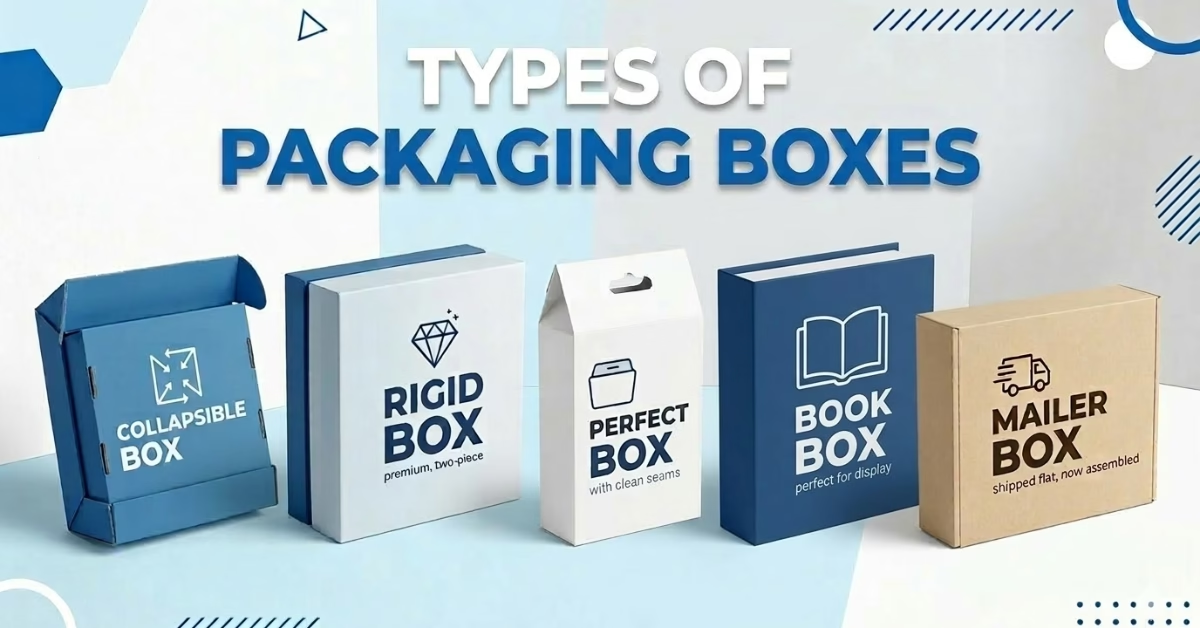
Different packaging boxes serve different purposes:
- Mailer boxes → e-commerce & subscription orders
- Retail boxes with tuck tops → shelves & display
- Rigid boxes → luxury or gift products
- Stand-up pouches → snacks, powders, lightweight items
- Corrugated shipping cartons → bulk logistics
The goal is simple:
👉 protection + presentation + cost balance
✅ Step 3 — Decide Custom Size & Quantity
Oversized boxes waste:
- material
- shipping cost
- storage space
That’s why custom sizes matter.
Using the correct box size:
- lowers logistics expenses
- reduces carbon footprint
- improves packaging optimization
Also consider:
- minimum order quantities
- storage capacity
- monthly orders
- future scaling
Smart businesses plan 3–6 months ahead to avoid rush production and delays.
✅ Step 4 — Plan Your Packaging Design & Branding
This is where your packaging becomes marketing.
Think about:
- logo placement
- colors
- artwork
- typography
- printing finish
- labels or custom stickers
A clean custom box design builds trust instantly.
If you’re creating files yourself, use:
- Adobe Illustrator
- proper dieline template
- vector graphics
- high artwork resolution
- avoid thin lines
If design isn’t your strength, get design help or free consultation from a trained packaging specialist.
Good design increases perceived product value — sometimes more than the product itself.
✅ Step 5 — Prepare Files for Prepress & Printing
Before production starts, technical checks are critical.
A dedicated prepress team usually reviews:
- correct dieline placement
- bleed areas
- ink coverage
- color accuracy
- artwork resolution
- PDF files
You’ll often receive a digital proof or proof page to approve.
Never skip this step.
Because after printing starts, changes cost both time and money.
✅ Step 6 — Consider Turnaround Time & Delivery Date
Packaging production isn’t instant.
Plan for:
- prepress time
- printing
- production
- shipping
Typical turnaround:
- 7–14 business days (varies by quantity & complexity)
Always confirm:
- delivery date
- unit price updates
- rush options if needed
Planning early avoids stockouts and missed sales.
✅ Quick Decision Checklist (Scannable Box)
You can visually format this in your article:
Before placing your first order, confirm:
✔ Correct material
✔ Right box type
✔ Custom size
✔ Optimized quantity
✔ Professional design
✔ Approved proof
✔ Turnaround time confirmed
✔ Budget matches unit price
If all boxes are checked → you’re ready for production.
Final Thoughts: Why Packaging Matters More Than Ever
Packaging is no longer just a protective box.
It’s:
- protection
- branding
- marketing
- customer experience
- sustainability strategy
All combined into one physical touchpoint.
Whether you’re launching your first product or scaling a growing business, the right packaging helps you:
- reduce damages
- save shipping costs
- improve reliability
- create memorable unboxing moments
- build long-term customer trust
And when done right, packaging quietly becomes one of your most powerful business tools.
Because sometimes…
👉 The box sells the product before the product sells itself.
Frequently Asked Questions About Packaging
Q1. What is packaging in simple words?
Packaging is the process of enclosing and protecting products using boxes, bags, or other materials to ensure safe storage, shipping, and presentation to customers.
Q2. Why is packaging important for businesses?
Packaging protects products, reduces damage during logistics, improves brand image, and enhances the customer experience. Good packaging also increases sales and customer trust.
Q3. What are the main types of packaging?
The three main types are:
- Primary (direct product packaging)
- Secondary (group packaging)
- Tertiary (shipping and bulk transport packaging)
Q4. What materials are commonly used in packaging?
Common materials include cardboard, corrugated packaging, chipboard, kraft paper, plastics, and sustainable post-consumer recycled materials.
Q5. What is custom packaging?
Custom packaging refers to boxes or packaging products made in specific sizes, shapes, and designs to match a brand’s needs and product requirements.
Q6. How do I design a custom box?
You create artwork using tools like Adobe Illustrator, apply it to a dieline template, prepare print-ready PDF files, and approve a digital proof before production.
Q7. How long does packaging production take?
Most orders take 7–14 business days depending on quantity, printing complexity, and finishing options.
Q8. What is sustainable packaging?
Sustainable packaging uses recyclable or biodegradable materials and optimized designs to reduce waste and lower environmental impact.
Q9. What is a dieline in packaging?
A dieline is a technical template that shows where a box will be cut, folded, and printed. It ensures accurate production.