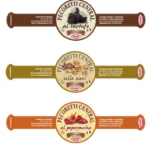
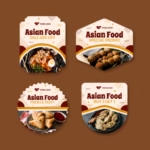
Description
Why Does the Right Label Matter More Than People Think?
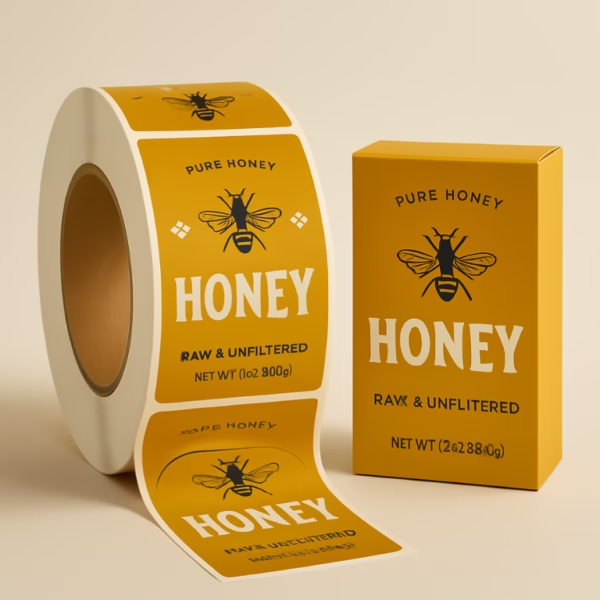
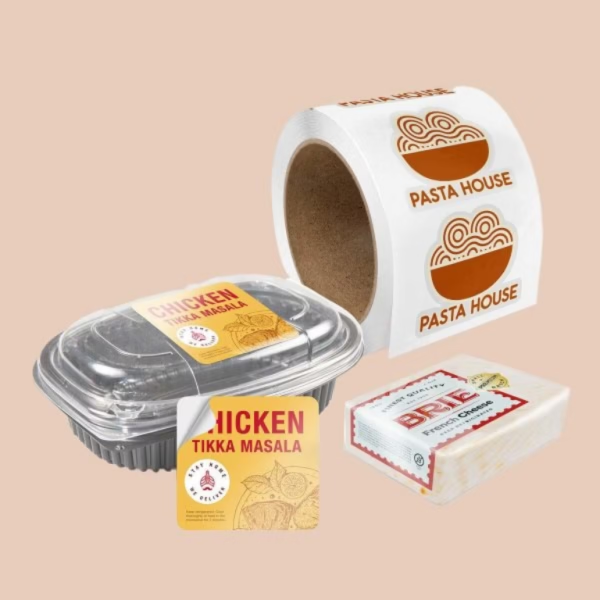
A label isn’t just where your logo goes. For food products, it’s doing a job: staying stuck through storage, handling, and whatever conditions your product goes through before it’s opened.
A cheap or mismatched label peels at the corners, smears in the fridge, or fades under light faster than the product inside gets used up. Once that happens, the label stops doing its job and starts making the product look older or lower quality than it actually is.
There’s also a shelf-space problem. Sitting next to other brands, a plain or poorly printed label blends in. Customers make fast decisions based on what looks trustworthy, and a weak label works against you before they’ve read a single ingredient.
Will This Label Actually Hold Up to How You Store Your Product?
This depends almost entirely on matching the label to the conditions it’s going to face.
A label going on a jar sitting on a dry shelf has an easy job. A label going into a freezer, onto a condensation-covered jar, or onto a pouch handled daily needs an adhesive and material built for that specific stress. Using a standard paper label in freezer conditions is one of the most common mistakes businesses make, and it usually shows up as peeling within weeks.
Surface matters too. Glass, plastic, and different pouch materials all hold adhesive differently. A label that sticks well to glass isn’t guaranteed to hold the same way on a flexible pouch.
Does a Better Label Change How Customers See Your Brand?
Yes, more than most packaging decisions. Unlike a box a customer might not open until later, the label is the very first thing they see, often while still deciding whether to buy.
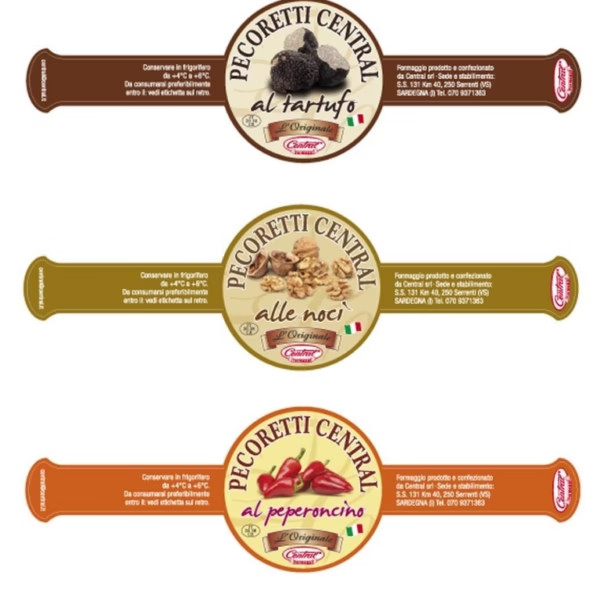
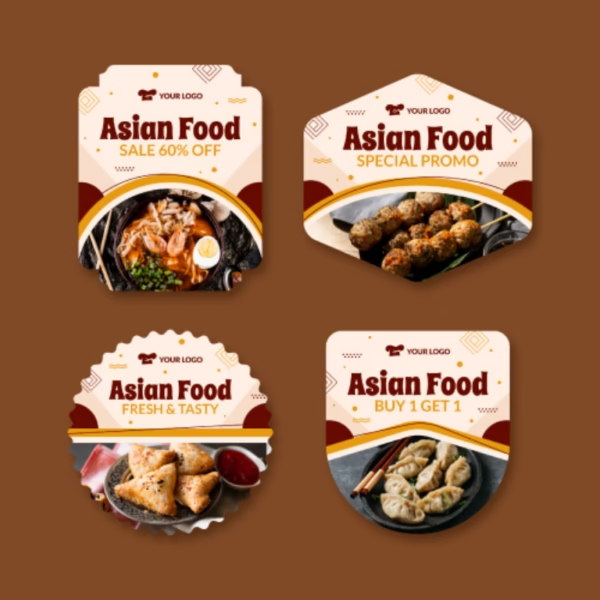
Consistent branding across every product in your line helps customers recognize you at a glance, even from a distance on a shelf. A clean, well-printed label also signals quality before they’ve read a single word, which matters a lot for smaller or newer brands competing against bigger names.
There’s a trust angle too. Clear, well-organized information (ingredients, weight, any required disclosures) printed cleanly makes a product feel more legitimate than one with a cramped or hard-to-read label.
What Actually Needs to Be Decided Before You Order?
A handful of decisions shape whether a food label works well or causes problems later.
Shape and size should match your container exactly, not just come close. A label that’s slightly too big wraps awkwardly, and one that’s too small looks skimpy and wastes branding space. Adhesive strength needs to match storage conditions, whether that’s room temperature, refrigeration, or freezing. Material needs to hold up to whatever the product itself might expose it to, like oil, moisture, or condensation.
None of this needs to be complicated, but skipping it usually means reordering labels after the first batch fails in the field.
Which Materials and Finishes Actually Make Sense?
Material choice depends on where the label ends up and what it needs to survive.
Paper labels with a matte or gloss finish work well for dry, room-temperature products and give a clean, classic look. Waterproof BOPP (a synthetic film) material holds up far better against moisture, oil, and condensation, which matters for anything refrigerated, frozen, or prone to spills. Kraft paper labels give a more rustic, handmade look, though they need a protective coating if the product is likely to be exposed to moisture.
Printing quality matters more on labels than on most packaging, since customers look at them up close. Digital printing works well for smaller runs or when you need fast turnaround, while offset printing tends to give the sharpest results on larger orders.
What Does Packaging Squad Handle for You?
Getting labels wrong is an easy mistake to make once, usually by picking a material that looks fine on day one and fails a few weeks later.
Packaging Squad helps you match adhesive and material to your product’s actual storage conditions, not just what looks good in a mockup. Every order goes through quality control before it ships, so what you approve prints and sticks the way you expect. Whether you need a small batch for a new product launch or a recurring order across your full line, the process from quote to proof to production stays simple.
Who Actually Orders Custom Food Labels?
Custom food labels are used by:
- Small-batch food brands launching a new jarred or packaged product
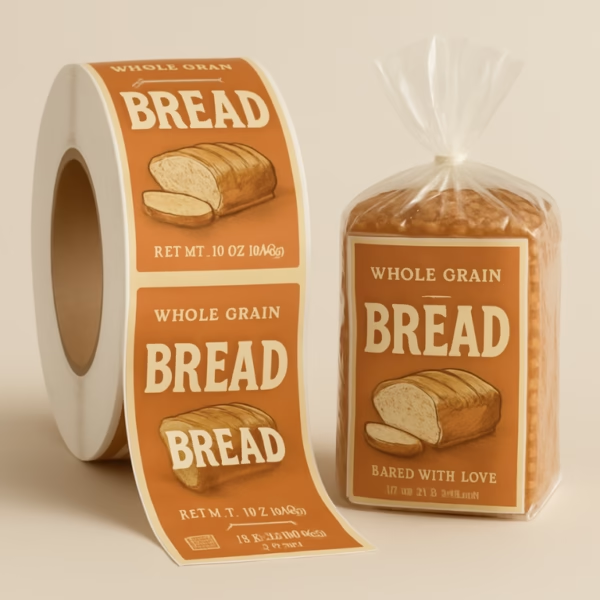
- Bakeries and dessert brands labeling packaged goods for retail or shipping
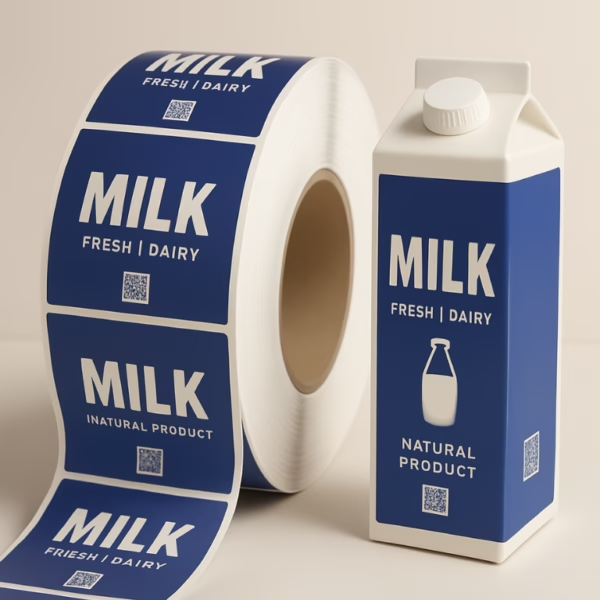
- Beverage brands needing labels that survive refrigeration or condensation
- Frozen food brands needing adhesive built to hold in freezer conditions
- Farmers market and specialty food vendors competing with retail brands on shelf presence
Each of these businesses needs the label to survive different conditions, which is exactly why matching material and adhesive to the actual use case matters as much as the design itself.
Ready to Get Labels That Actually Stick?
If you’re looking for food labels that hold up and look right on the shelf, Packaging Squad is ready to help. Request a custom quote and let our team recommend the right material, adhesive, and finish for your product.





Reviews
There are no reviews yet.