Description
Eco Friendly Jewellery Packaging Is a Set of Decisions, Not a Look
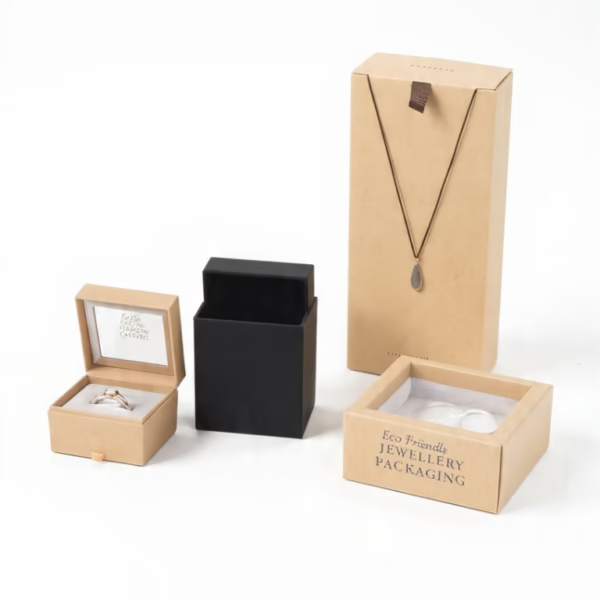
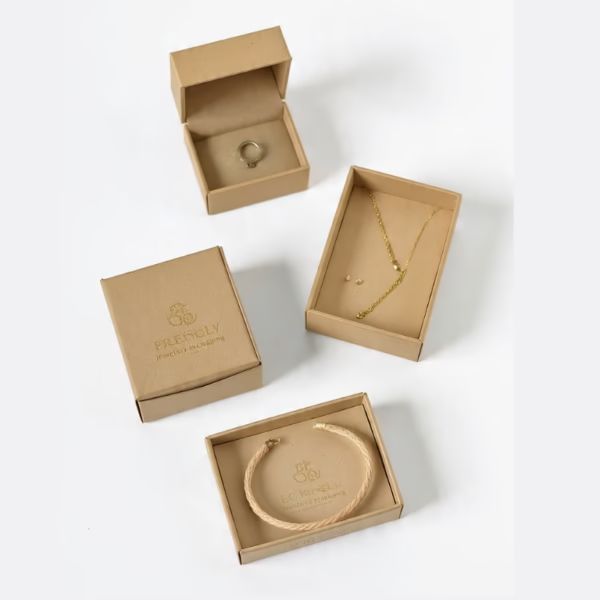
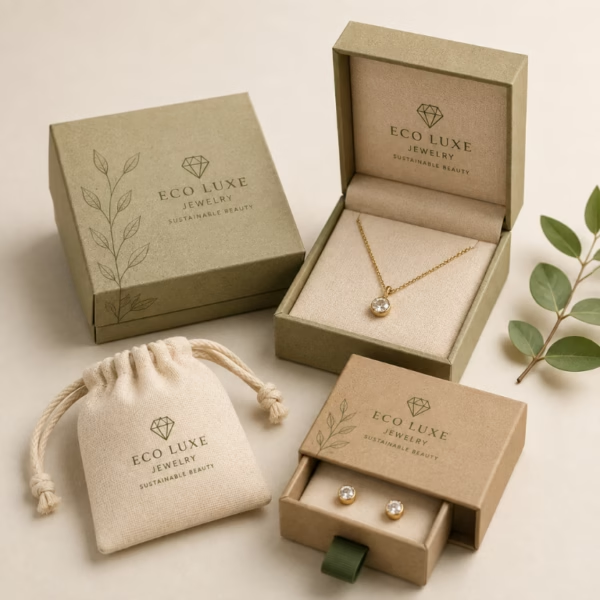
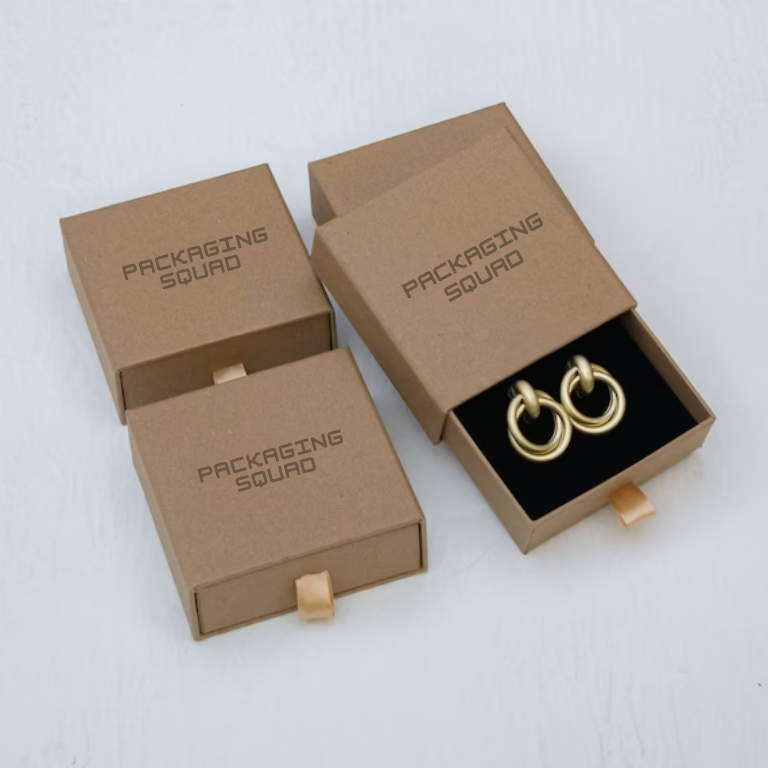
A lot of packaging gets called “eco-friendly” just because it’s brown and uncoated. That’s kraft, and kraft is one legitimate part of a lower-impact packaging strategy, but it’s not the whole strategy. What actually determines how sustainable a box is comes down to a handful of separate decisions: what the base material is made of, what’s coating or laminating it, what’s holding it together, and whether the box is sized to the product or padded out with material the piece doesn’t need.
This page is about that full set of decisions, which can apply to a kraft box, a cardboard box, or even a rigid box, not a single material or color.
Key Features:
- Recycled-content or FSC-sourced paperboard as the base material
- Water-based or soy-based inks instead of solvent-based options
- Minimal or no plastic lamination, which can block recyclability
- Right-sized construction, built to the jewelry piece rather than a generic template
- Works across any jewelry type, rings, pendants, necklaces, earrings, and more
- Your logo, colors, and artwork within eco-conscious printing methods
- Suited to brands building sustainability into their actual brand story, not just their packaging color
The Decisions That Actually Matter
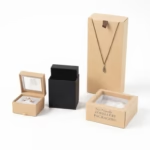
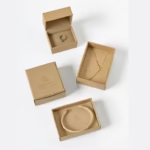
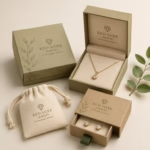
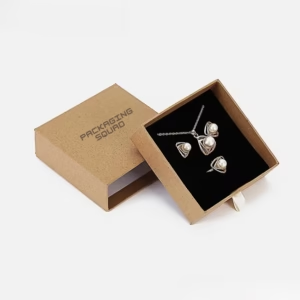
Base material. Recycled-content paperboard or FSC-certified virgin fiber are both lower-impact starting points than uncertified standard board. Kraft is often chosen here too, since it’s typically made with less processing than bleached, coated stock.
Coatings and lamination. Plastic lamination gives a glossy or soft-touch finish, but it also makes the box harder to recycle, since the paper fiber and plastic film have to be separated first, which most standard recycling streams don’t do. Uncoated or water-based coated finishes keep the box in a single, more easily recyclable material stream.
Adhesives and inks. Water-based adhesives and soy-based inks break down more easily than solvent-based alternatives, and they’re a common, lower-cost swap that doesn’t change how the box looks or performs.
Sizing. A box that’s noticeably larger than what it holds uses more material than necessary and often needs more void fill to keep the product from shifting. Right-sizing the box to the specific piece, the same insert-matching approach used across our other jewelry boxes, is one of the simplest ways to reduce material use without changing the packaging’s appearance.
How This Applies to Your Specific Jewelry Type
Like our other hub pages, the insert logic still comes from the jewelry type itself:
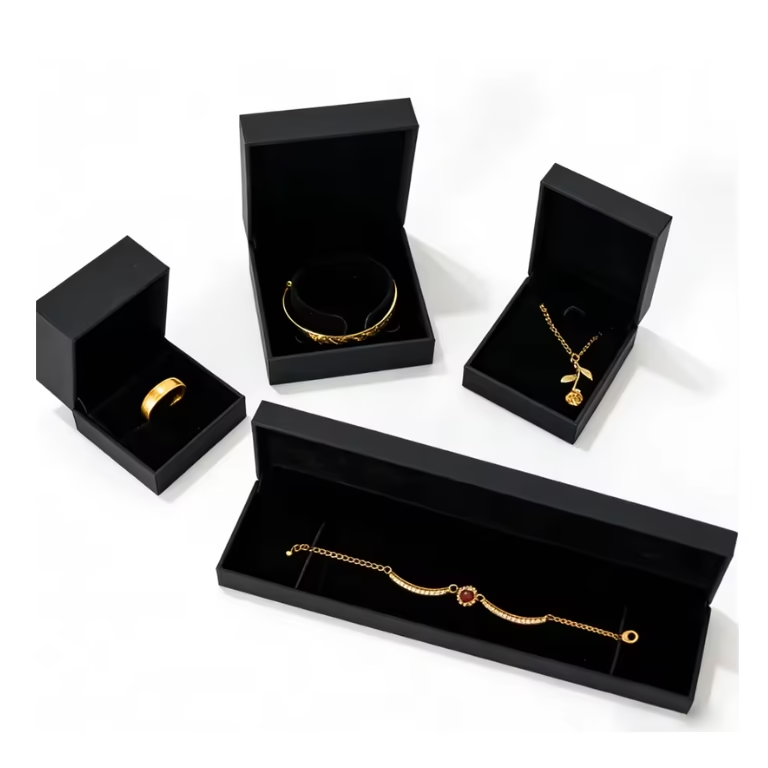
- A ring box built with eco-conscious materials still needs a slot or pillow insert sized to the ring
- A pendant box still needs a chain channel and anchor point
- A necklace box still needs a full-length channel
- An earring box still needs an insert matched to studs, drops, or hoops
If you already know the jewelry type, that page covers the insert. This page is about which material, coating, and construction decisions to apply on top of it.
Kraft, Cardboard, or Rigid: Which Base Fits an Eco-Conscious Build
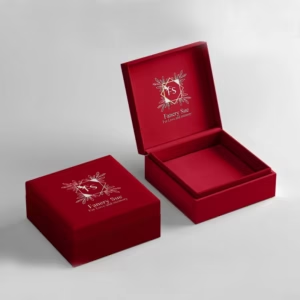
Kraft is the most common starting point, since it’s naturally lower-processed, but it isn’t the only option. Cardboard with recycled content and water-based coatings can achieve a similar footprint while allowing brighter, more accurate color printing than kraft’s uncoated surface supports. Rigid board is harder to make fully eco-conscious, since it typically requires more adhesive and material layering, but recycled-content rigid options do exist for brands that need that structure and still want to reduce impact where possible.
A Direct Note on Sustainability Claims
This is worth being precise about. Terms like “100% sustainable,” “zero-waste,” or “carbon neutral” are specific claims that require verified sourcing, certification, or offsetting to back them up, and using them without that backing can create real legal and trust problems down the line. What we can build with confidence is packaging made from recycled or FSC-certified material, with reduced coatings and adhesives, and sized appropriately for the product. Confirm the exact material specifications and any certifications for your specific order before printing specific environmental claims on your packaging or marketing.
Who Eco Friendly Jewellery Packaging Works For
- Brands building sustainability into their core identity, not just their packaging
- Handmade and independent jewelry designers
- Retailers responding to customer demand for lower-impact packaging
- Brands wanting FSC-certified or recycled-content materials specifically
- Anyone packaging across multiple jewelry types who wants one consistent, lower-impact standard
Start Designing Your Eco Friendly Jewellery Packaging
Tell us what type of jewelry you’re packaging, whether FSC certification or recycled content matters most to you, and your order quantity. Fill in the form with your requirements, and we’ll help you land on the right material and construction.







Reviews
There are no reviews yet.