
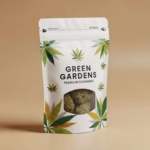
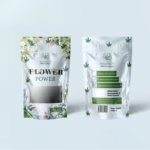
Description
What “Mylar” Actually Means for Cannabis Packaging
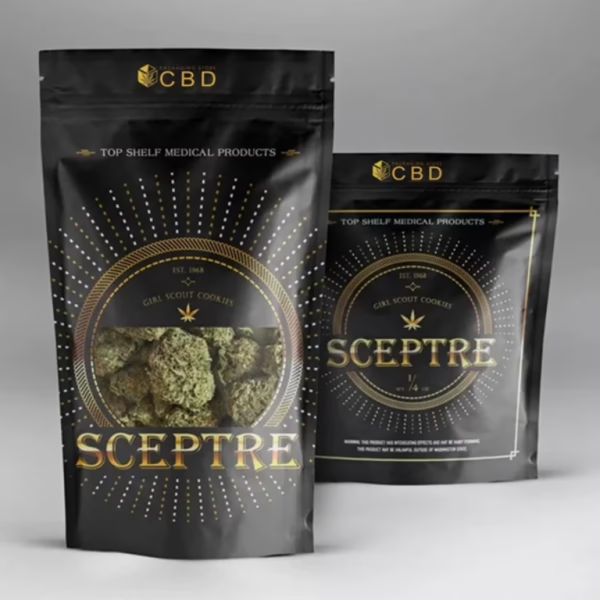
The name gets used loosely, but a real barrier bag is built from layers doing different jobs. The outer layer gives print quality and puncture resistance. A foil or metallized layer blocks light and oxygen. The inner layer heat-seals and keeps the product from contacting the foil directly.
Skip any of those layers, and the bag looks similar but performs very differently. This matters most for flower, since oxygen and light exposure are what dry it out and break down its terpenes over time.
Why a Bag Instead of a Box?
Bags and boxes solve different problems, and a lot of brands use both for different parts of their line.
| Format | Strength | Weakness |
|---|---|---|
| Mylar Bag | Airtight seal, odor-proof, flexible for bulk weights | Less rigid, can be crushed if overpacked |
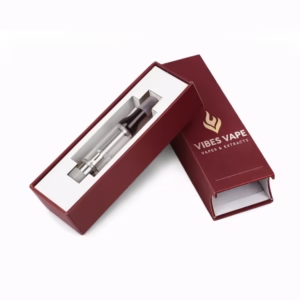
| Rigid Box | Structural protection, premium shelf presence | Rarely airtight on its own |
A bag wins on barrier performance and flexibility, especially for larger flower weights like an ounce or more. A box wins on shelf presence and structure. Plenty of brands pack flower in a sealed bag, then place that bag inside a branded box for the best of both.
The Exit Bag Requirement Most New Brands Don’t Know About
Beyond your primary packaging, many states require dispensaries to place every purchase into a separate, opaque, resealable exit bag at the point of sale, regardless of how the product was originally packaged.
This is a distinct requirement from your product packaging itself, and it’s often the dispensary’s responsibility rather than the brand’s. Still, worth knowing if you’re building out a full packaging strategy, since some brands choose to supply compliant exit bags as a value-add for dispensary partners.
Thickness Actually Matters, Not Just Size
Bag thickness is measured in mils, and it affects both barrier strength and how the bag feels in hand. A 3mil bag suits smaller, lower-cost products. A 4 to 5mil bag holds up better for larger quantities or anything that gets handled more before sale.
Thinner isn’t automatically cheaper in the long run either, since a bag that punctures or loses its seal means a product that arrives stale or damaged.
Closure Types, at a Glance
Heat-seal closures give the strongest barrier but aren’t resealable once opened, which suits single-use retail packs. Ziplock closures let customers reseal the bag after opening, useful for larger flower quantities meant to last. Child-resistant zipper closures combine resealability with a locking mechanism, which several states require for any bag containing usable flower quantities.
Does a Bag Still Need to Look Like a Brand?
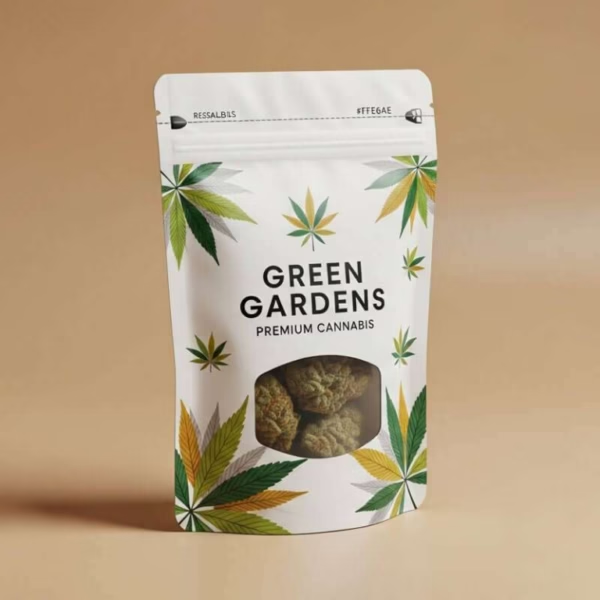
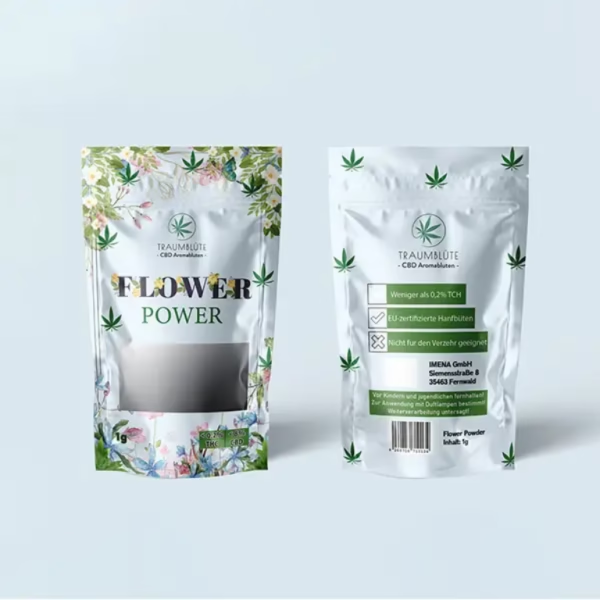
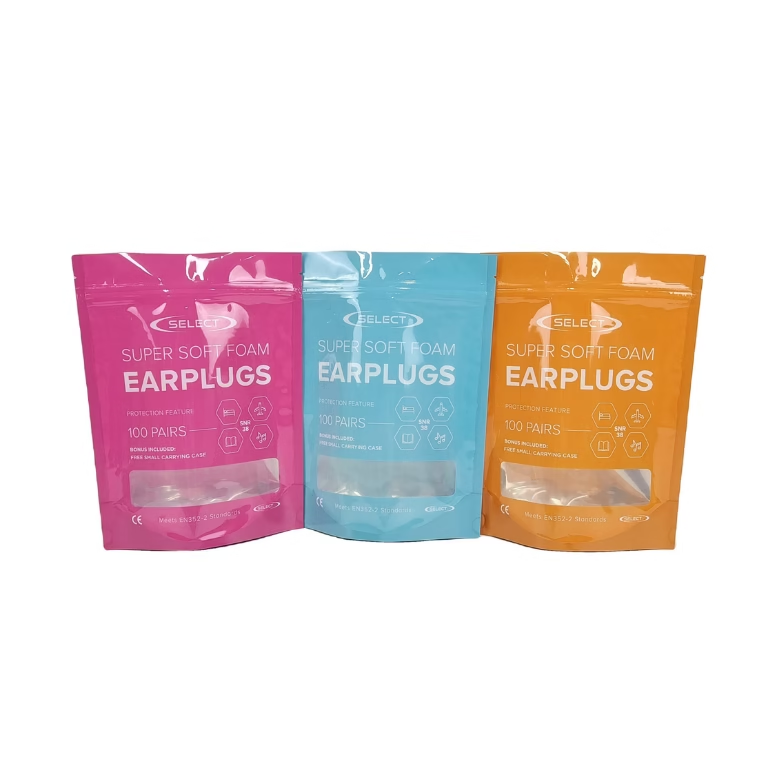
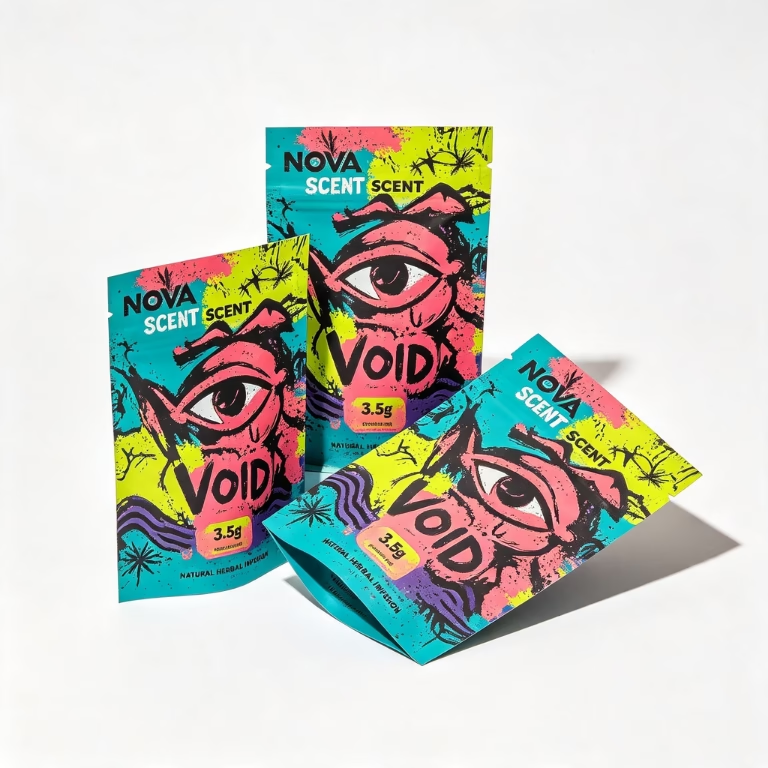
Yes, and mylar actually prints well, often better than people expect. Full-color, high-resolution printing works across the whole bag surface, not just a label, which gives more branding real estate than a lot of rigid packaging offers per dollar spent.
Matte or gloss finishes both work well on the outer layer, and a clear window section can be added if you want the product visible without sacrificing the barrier properties everywhere else.
Let’s Plan This Together
Tell us your typical weight per bag, your closure preference, and your states. We’ll help plan the layer structure, the closure type, and the label layout together, and you’ll see a proof before production. If you’re also selling hemp flower or need a retail display to go with it, we can plan those together too.
Who Buys These
Cultivators packaging flower for wholesale or direct retail. Dispensaries with a house-brand flower line. Distributors moving product across multiple states with different closure requirements. Anyone comparing bag versus box packaging for a new marijuana product line.






Reviews
There are no reviews yet.