
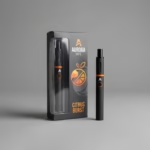
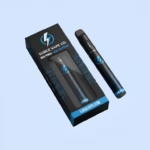
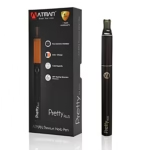
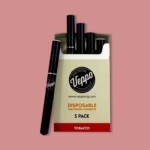
Description
What “E-Cigarette” Actually Covers
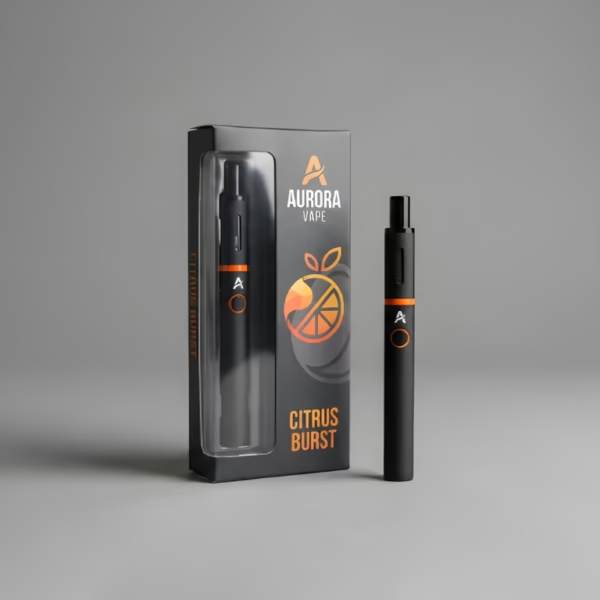
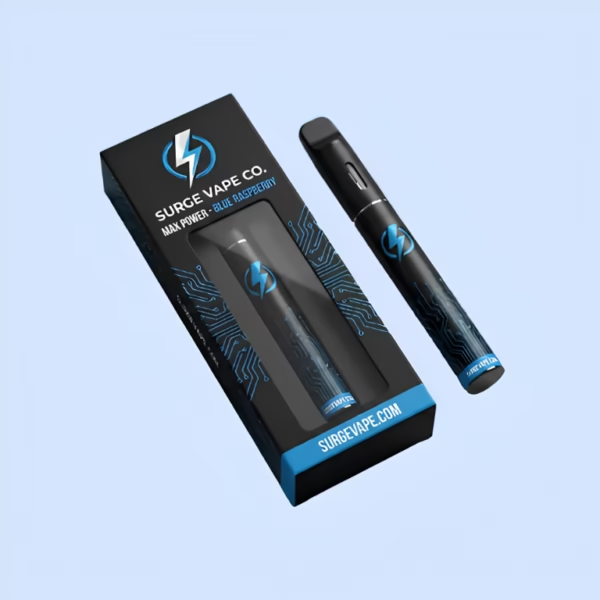
This category usually means disposable, all-in-one devices, pre-charged and pre-filled, no refilling or separate parts. That’s different from a full vape kit with swappable pods, and different from a standalone cartridge.
Because it’s a single sealed unit, the packaging job is simpler in one way and stricter in another. Simpler, because there’s no multi-piece insert to plan. Stricter, because FDA marketing rules apply directly to the finished, ready-to-sell product.
Two Formats You’ll See Most
| Type | How It’s Sold | Packaging Priority |
|---|---|---|
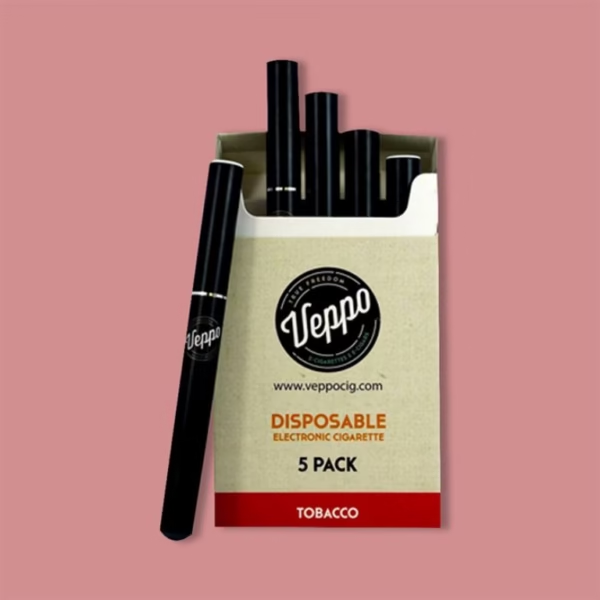
| Disposable Cig-a-like | Individually or in small multi-packs | Compact box, clear puff count, shelf hook option |
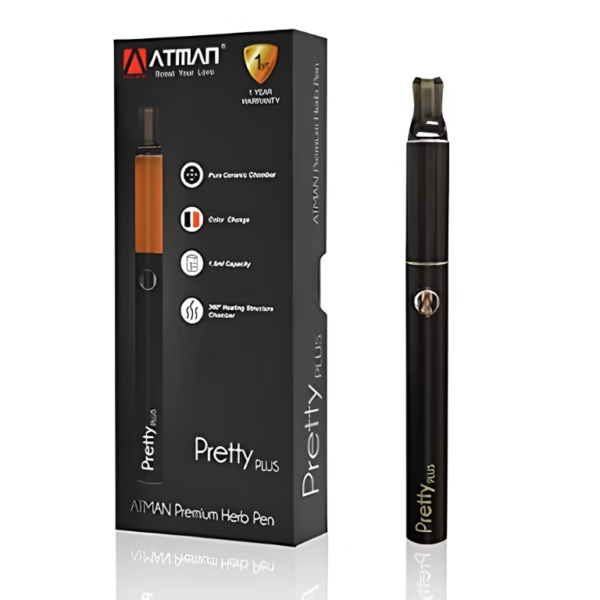
| Rechargeable Pen-Style | Usually individually boxed | Sturdier insert, USB cable slot if included |
Disposables lean toward high-volume retail, often sold from a hanging shelf hook near a convenience store register. Rechargeable pen-style devices usually get a bit more packaging real estate since they’re a higher price point.
What Has to Be On the Package
The nicotine addiction warning, worded to the federal standard. A 21+ age restriction notice. Puff count or e-liquid capacity, since that’s often the main thing customers compare between disposable brands.
Marketing claims need care here too. Words implying the product is safer than smoking, or approved by the FDA for that purpose, cross into territory that requires specific federal authorization to say. When in doubt, stick to factual specs rather than health claims.
Retail Packaging Has Its Own Requirements
A lot of e-cigarettes sell from a hook display at a convenience store counter, which means the box needs a die-cut hang tab or a compatible header card. Skip this, and a retailer literally can’t display the product the way their shelf is set up.
Blister-style packaging is common for the disposable segment specifically, since it lets a customer see the device color or flavor indicator without opening anything. A folding carton works better for rechargeable devices sold in a closed box.
Battery and Shipping Considerations
Like any vape hardware, the battery inside an e-cigarette is subject to lithium battery shipping rules. This applies whether the device is disposable or rechargeable, and it’s separate from anything about the nicotine content itself.
Does Branding Still Matter on a Disposable?
Yes, probably more than people expect for something meant to be thrown away. Flavor and puff count differentiate disposables more than almost anything else, and clear, bold labeling of both helps a customer choose fast at a busy counter.
Color-coding by flavor works well here too, the same way it does for e-liquid. A customer scanning a hook display decides in seconds, and a clear visual system speeds that up.
Materials
Folding carton in the 12pt to 16pt range suits most disposable boxes, since it’s a light, single-use product. Blister packaging pairs a formed plastic shell with a printed cardstock header card. Rechargeable devices in a standalone box often use slightly heavier stock, 16pt to 20pt, since the box may get reopened for charging.
Let’s Plan This Together
Tell us whether you’re packaging a disposable or rechargeable device, your retail format (hook, blister, or standalone box), and your states. We’ll help plan the label layout and hang-tab structure, and you’ll see a dieline before anything prints. If you’re also selling vape hardware or e-liquid, we’ll keep the whole line consistent.
Who Buys These
Disposable vape brands selling through convenience stores and vape shops. Rechargeable pen-style device makers. Distributors supplying retail chains that need hook-compatible packaging. Anyone building out a full nicotine product line alongside e-liquid.









Reviews
There are no reviews yet.