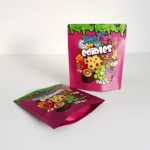
Description
Why Edibles Get Watched More Closely Than Flower or Vapes
Flower looks like flower. A vape looks like a vape. An edible, especially a gummy, can look almost identical to something sold in the regular candy aisle, which is exactly why regulators treat this category with extra scrutiny.
That scrutiny shows up directly in packaging rules: opacity requirements, restrictions on shapes or imagery that resemble actual candy brands, and labeling that has to work at both the package level and the individual serving level.
Per-Serving Labeling Is the Detail That Trips People Up
A single-dose edible is simple to label. A multi-serving package, like a bag of ten 5mg gummies, needs to communicate the per-serving dose clearly, and several states require some form of demarcation, like scoring lines on the product itself, showing where one serving ends and the next begins.
The bag’s labeling needs to reflect this too, usually with both the total THC content and the per-serving amount stated separately, so a customer can’t mistake the whole package for a single dose.
Design Restrictions Are Stricter Here Than Almost Anywhere Else
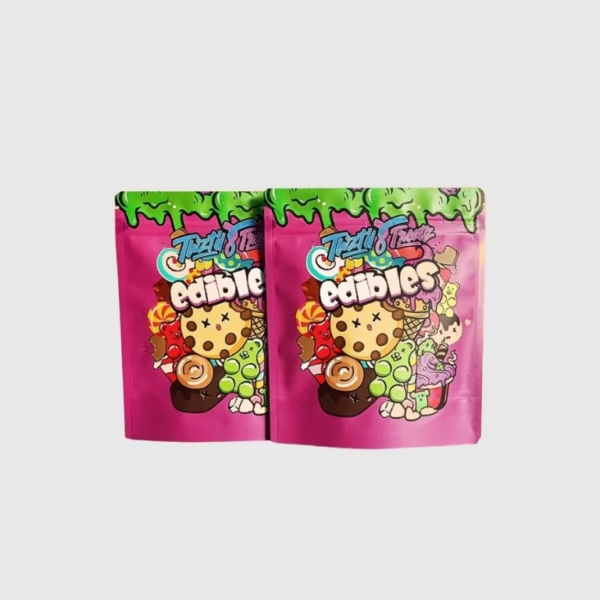
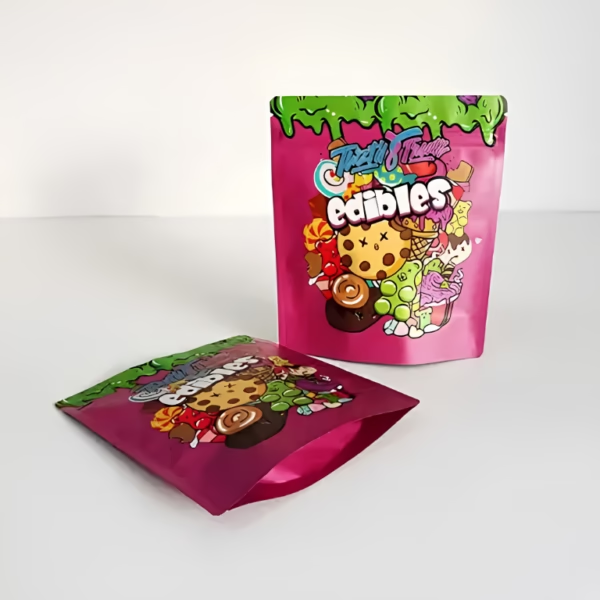
Cartoon characters, shapes mimicking a specific candy brand, and bright, playful imagery are all higher risk on edibles packaging than on any other product in this category. A design that would be fine on a vape box can get an edibles bag rejected.
The safer approach leans toward clean, adult-oriented branding with clear compliance information front and center, rather than anything that could read as appealing specifically to children.
Child-Resistant Closure Still Applies, and Often More Strictly
Because edibles are mistaken for regular food more easily than other cannabis products, several states hold this category to their strictest certified child-resistant standard, sometimes requiring both a certified closure and an opaque bag with no visible product window at all.
This is worth confirming for your specific state before finalizing a design, since requirements here vary more than they do for flower or concentrate packaging.
Freshness Still Matters, Especially for Multi-Serving Bags
A bag opened partway through a ten-serving pack needs to reseal well enough to keep the remaining product fresh, not just closed enough to look sealed. The same multi-layer barrier film used in standard cannabis mylar bags applies here, protecting against moisture and staleness between uses.
Does the Bag Still Need to Look Like a Brand?
Yes, within the tighter design limits. Clean typography, a defined color palette, and clear THC symbol placement can still build strong brand recognition without leaning on anything that reads as candy-like.
A lot of established edibles brands lean into a more clinical, wellness-forward look specifically because it reads as safer and more compliant at a glance, not despite the restrictions but partly because of them.
Let’s Plan This Together
Tell us your serving count per bag, your dose per serving, and your target states. We’ll help plan the per-serving labeling, the certified closure, and the compliant design approach together, and you’ll see a proof before production.
Who Buys These
Edible manufacturers packaging gummies, chocolates, or baked goods. Dispensaries with a house-brand edibles line. Distributors managing per-serving labeling requirements across multiple states. Anyone also selling dab wax or flower who wants a compliant edibles line to match.






Reviews
There are no reviews yet.